February 18, 2026 articles

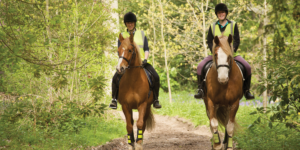
Simple Drills to Boost Rhythm and Straightness

Rhythm and straightness often feel like two simple training concepts that shouldn’t take much effort to maintain, yet they tend to slip away more easily than riders expect. I’ve had rides where everything felt smooth one moment, only for the horse to lose balance or drift off the line the next. When that begins to happen regularly, I stop looking at big exercises and return to very simple drills. The basics always reveal what’s missing, and the smallest corrections usually deliver the biggest improvements. Rhythm and straightness aren’t just technical components of flatwork; they influence confidence, responsiveness, and how safely and comfortably a horse moves under saddle. The more consistently I revisit these core qualities, the better my horse performs in every discipline.

Read More

How to Stay Motivated Through Riding Plateaus

Riding plateaus have a way of appearing right when things seem to be going well. One week I feel like my horse and I are moving forward with ease, and the next week it feels like someone quietly replaced all my progress with frustration. These stretches can sneak up on anyone, no matter how long they’ve been riding. What makes them so tricky is that they test both the rider’s patience and their confidence. Instead of dramatic challenges that force me to react, plateaus create a slow kind of struggle that makes me question whether I’m improving at all.

Read More

What Horse Riding Really Teaches You About Life

Horse riding has a way of revealing truths that don’t always surface in everyday routines. I’ve had moments in the saddle that forced me to pay attention in ways I never expected. Each ride becomes a mirror, reflecting habits, flaws, strengths, and blind spots that would otherwise go unnoticed. The lessons arrive quietly at first, then suddenly they shape how I move through the world far beyond the barn. Horses offer feedback that is honest, immediate, and free from judgment, and that’s why riding ends up becoming far more than a sport or hobby. It becomes a teacher that doesn’t sugarcoat reality but also never stops giving opportunities to grow.

Read More

The Best Beginner Saddles Riders Swear By

I ride with a deep appreciation for how much confidence a well-fitted beginner saddle can give someone who is still finding their balance and rhythm in the saddle. I’ve watched new riders transform from nervous and stiff to relaxed and engaged simply because the seat supported them properly. The saddle becomes a partner in those early rides, guiding the body into a stable position and helping the rider focus on communication rather than worrying about slipping or tipping forward. Over time I have come to trust a handful of beginner saddles that consistently impress both novice and returning riders.

Read More

The Barn Rituals Every Rider Secretly Loves

Walking into the barn brings a sense of familiarity that settles into the body before a single word is spoken. The air holds the mix of hay, leather, dust, and warm breath, and the entire place feels suspended between routine and quiet magic. I’ve found that the small rituals tucked into barn life often matter just as much as riding itself. They build the rhythm of the day, shape the relationship with the horse, and create a comforting structure that anchors everything around it. Some of these rituals are practical, others sentimental, and a few are so ingrained that I don’t even notice how deeply I enjoy them until I take a moment to think about it.

Read More

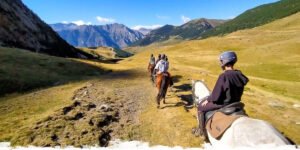
Packing List for Overnight Trail Adventures

Heading out on an overnight trail ride always fills me with a mix of excitement and responsibility. The idea of traveling with my horse, settling into nature, and waking up far from the usual noise carries its own kind of magic. But what truly shapes the entire experience is preparation. A good packing list becomes more than a checklist; it becomes your safety net, your comfort plan, and your roadmap to a smooth adventure. Over time, I’ve developed a routine that keeps both me and my horse comfortable, fed, and ready for whatever surprises the trail might offer.

Read More

How to Recognize Early Signs of Pain in Horses

Spotting pain in a horse before it becomes obvious has always been one of the most important parts of responsible horsemanship for me. The earlier I recognize discomfort, the faster I can address the cause and prevent it from escalating into a bigger problem. Horses rarely display pain in dramatic ways at the beginning. Most of the time, the clues are quiet, subtle, and easy to dismiss as moodiness, stubborn behavior, or temporary tension. Over the years, paying close attention has shown me that small details matter far more than dramatic signals. Once I began looking closely at posture, expression, attitude, and the little changes in how a horse reacts to ordinary routines, it became clear that early signs of pain are almost always present long before a horse ends up visibly lame or distressed.

Read More

Why Your Horse’s Hooves Reveal More Than You Think

I have never met a horse whose hooves didn’t tell me a story long before the rest of their body did. The more time I’ve spent around barns, arenas, and trailheads, the more obvious it becomes that hooves act like a living record of stress, diet, workload, pain, management, and even emotional tension. When I walk into a stall or lead a horse into the sunlight, the very first thing I look at is the feet, because they speak louder than anything the horse can show me in the saddle.

Read More

Mark Rober

Pro Chef & Blogger

Lorem ipsum dolor sit amet, consectetur adipiscing elit. Ut elit tellus, luctus nec.

Mark Rober

My personal favorites

Sponsor

Create websites in minutes with Kitpapa

$99 Deal