Olive Oil Fraud: Extra Virgin Lies, Testing, Prevention
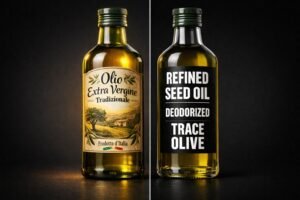
Olive oil fraud is the intentional misrepresentation of olive oil for economic gain — typically by blending cheaper oils, misgrading low-quality oil as “extra virgin,” falsifying origin documents, or using additives to mimic authentic EVOO characteristics. This is not merely labeling error. Many cases involve industrial-scale operations, cross-border logistics, forged paperwork, and even documented “recipes” designed to evade detection. Key Takeaways Scope Focus: Olive oil authenticity and fraud controls (EVOO, virgin categories, blends, origin claims)Audience: QA teams, procurement, auditors, laboratories, regulatorsDisclaimer: Informational only; not legal advice Definitions and Framing What Counts as Olive Oil Fraud In food safety management, fraud typically falls into four categories: Hazard vs. Risk Many cases involve economic deception only. However, safety risks may arise from: Why Olive Oil Is Highly Vulnerable Fraud thrives when: Olive oil’s high value and subtle sensory differences make it ideal for deception. The Main Tactics — How Olive Oil Gets Faked 1) “Painted Oil”: Dyed Seed Oils Cheap vegetable oils can be engineered to resemble EVOO using: A well-known Italian case involved tens of thousands of liters of dyed seed oil prepared for export. What to Verify 2) Lampante Laundering Lampante oil is low-quality olive oil unsuitable for direct consumption without refining. Fraud occurs when it is blended and sold as extra virgin. Large enforcement operations have uncovered schemes producing hundreds of thousands of liters of fake EVOO using lampante oil. What to Verify 3) Origin and Document Fraud Even authentic olive oil may carry false origin claims. Typical tactics: What to Verify 4) Organized Crime Logistics Olive oil fraud is often linked to organized criminal networks (sometimes called the “agromafia”). Operations have uncovered: Case Studies — Operational Lessons Case 1: Dyed Seed Oil Seizure Large volumes of industrial oil were colored and flavored to mimic EVOO. Lesson: Appearance alone is not proof of authenticity. Case 2: “Yellow Gold” Enforcement Action Authorities seized approximately 150,000 liters of adulterated oil and arrested dozens of suspects. Lesson: Fraud networks operate like organized smuggling operations. Case 3: OPSON XIII “Omegabad” Case (2023) A cross-border investigation uncovered over 260,000 liters of adulterated oil involving lampante blending and document fraud. Experts deemed some oil unfit for consumption. Lesson: Misgrading can create safety risks, not just economic loss. Case 4: Brazil’s Operation Isis (2017) Testing revealed brands containing little or no olive oil, leading to product seizures and penalties. Lesson: Strong enforcement dramatically reduces fraud prevalence. Detection Toolbox — What Actually Works Sensory + Chemical Testing Core parameters include: These determine whether oil qualifies as extra virgin. Adulteration Screening For suspected blending: Traceability and Intelligence Many investigations begin with anomalies such as: Where HACCP Ends — VACCP Begins HACCP addresses accidental hazards. Olive oil fraud involves deliberate deception, requiring vulnerability-focused controls (VACCP). Fraud Type → Best Controls Fraud Type Typical Appearance Best Controls Seed-oil blends Bright green “EVOO” look Lab screening + supplier controls Lampante laundering “Extra virgin” failing tests Sensory + chemistry verification Origin fraud Premium origin claims Traceability audits + mass balance Counterfeiting Fake brands/labels Chain-of-custody controls Audit-Ready Prevention Checklist Myth-Busting Myth: “Greener oil is better.”Reality: Color can be artificially engineered. Myth: “Extra virgin on the label guarantees quality.”Reality: Many fraud cases involve oils failing official grade standards. Myth: “Olive oil fraud is rare.”Reality: Large seizures and repeated cross-border schemes show persistent risk. FAQ What is olive oil fraud? Intentional deception of olive oil identity, grade, or origin for profit through adulteration, misgrading, or counterfeit documentation. What is lampante oil? A low-quality olive oil unsuitable for direct consumption that must be refined before use. Fraud occurs when it is sold as edible extra virgin oil. How do investigators detect fake EVOO? Using trained sensory panels plus chemical tests such as acidity, peroxide value, and UV absorption. Are organized crime groups involved? Yes. Multiple investigations have linked large-scale olive oil fraud to organized criminal networks. What is one practical control buyers can implement? A risk-based authenticity program combining supplier verification, traceability checks, and targeted testing. Video Companion For a documentary overview of dyed oils, lampante laundering, enforcement raids, and why labels often outpace regulation, watch: