The top riskiest foods in the US for acute foodborne illness are not the “worst foods” nutritionally. This ranking focuses on microbial food safety risk — foods most often linked to outbreaks, hospitalizations, or deaths.
In the United States, foodborne illness causes an estimated:
- ~48 million illnesses annually
- ~128,000 hospitalizations
- ~3,000 deaths
according to the Centers for Disease Control and Prevention.
Most acute cases are driven by microbes such as norovirus, Salmonella, Campylobacter, Shiga toxin-producing E. coli (STEC), and Listeria.
Key Takeaways
- “Riskiest” = likelihood × severity, not nutrition
- Many high-risk foods are otherwise healthy
- Raw consumption dramatically increases risk
- Proper handling can reduce risk without avoidance
- Large food service operations can amplify outbreaks
Audience: Food safety professionals, trainers, informed consumers
Disclaimer: Informational only; not medical advice
Definitions First: Hazard vs Risk
Understanding this distinction prevents misleading lists.
Hazard: Something that can cause harm (pathogen, toxin, contaminant)
Risk: Probability and severity of harm occurring
Example:
- Raw oysters → lower frequency but high severity
- Leafy greens → higher frequency due to raw consumption
Both qualify as “risky,” but for different reasons.
The 10 Riskiest Foods in America Right Now
This CDC-style list focuses on food categories repeatedly linked to outbreaks or severe outcomes.
1) Poultry (Chicken and Turkey)
- Major source of Salmonella and Campylobacter
- High cross-contamination potential in kitchens
2) Leafy Greens (Raw Salad Vegetables)
- Frequently eaten raw (no kill step)
- Linked to STEC E. coli and parasites such as Cyclospora
3) Eggs
- Associated with Salmonella Enteritidis
- Risk increases with undercooking or pooling in food service
4) Unpasteurized Dairy and Soft Cheeses
- Raw milk products carry Listeria risk
- Severe outcomes in pregnant people, elderly, immunocompromised
5) Deli Meats and Hot Dogs (Ready-to-Eat)
- Vulnerable to post-processing contamination
- Listeria can grow at refrigeration temperatures
6) Ground Beef
- Grinding distributes bacteria throughout meat
- Undercooking raises risk of STEC infections
7) Pork
- Can carry Salmonella, Yersinia, and parasites
- Risk tied to insufficient cooking
8) Fish and Shellfish
- Raw oysters pose high severity risk (Vibrio)
- Seafood can transmit norovirus depending on water quality
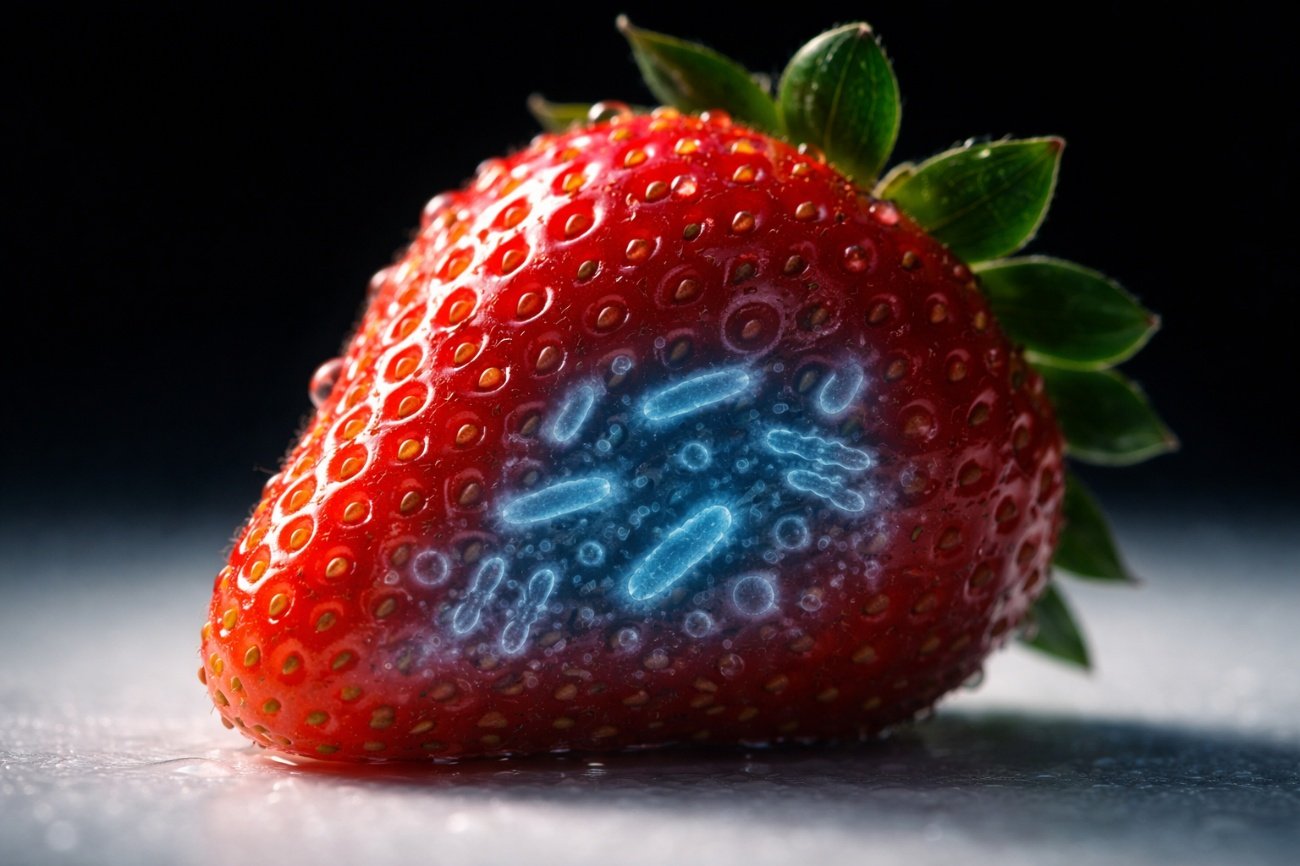
9) Fresh Fruits (Especially Melons and Berries)
- Often consumed raw
- Contamination can occur during farming, packing, or processing
- Melons have been linked to severe outbreaks
10) Sprouts
- Warm, humid sprouting conditions amplify bacteria
- Usually eaten raw, eliminating kill step
Why These Foods Keep Causing Outbreaks
Pattern 1: No Kill Step
Foods eaten raw allow pathogens to survive to consumption.
Examples: leafy greens, fruits, sprouts, raw oysters
Pattern 2: Cross-Contamination Magnets
Raw animal products spread microbes via surfaces and utensils.
Examples: poultry, eggs, raw meat
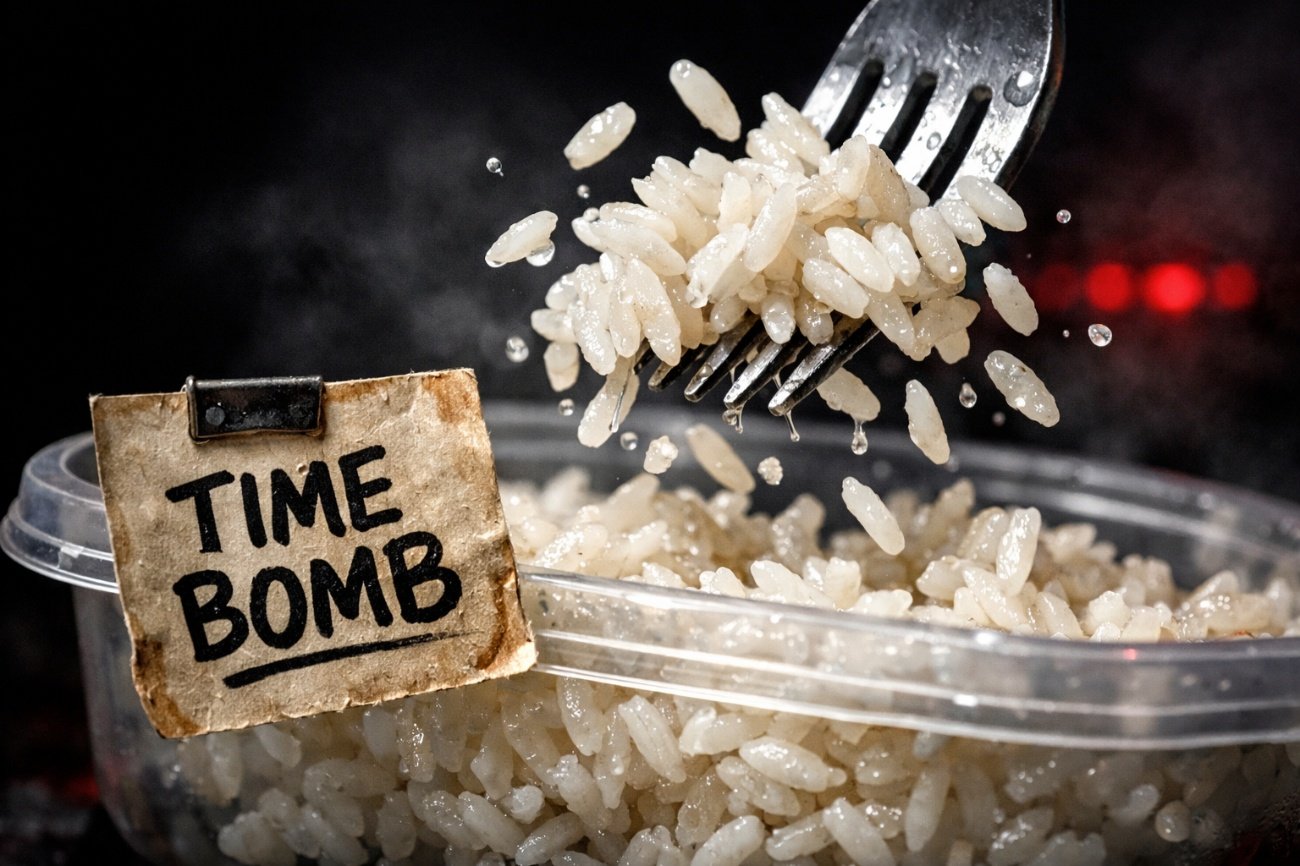
Pattern 3: Time–Temperature Abuse
Improper holding or cooling allows rapid microbial growth.
Guidance from FoodSafety.gov highlights a “danger zone” where bacteria multiply quickly.
Pattern 4: Post-Process Contamination
Some foods become contaminated after cooking or processing.
Example: ready-to-eat deli meats exposed to Listeria in facilities
“Top Foods to Avoid” vs “Manage Risk”
From a food safety perspective, avoidance is usually unnecessary.
Most people can safely consume these foods by applying controls:
- Proper cooking
- Temperature control
- Preventing cross-contamination
- Following recalls
Risk management is more practical than elimination.
Foods That Make You Sick “Instantly” vs Delayed Illness
Not all foodborne illness appears immediately.
Fast onset (hours)
- Toxin-mediated illnesses
- Often linked to improper storage
Delayed onset (days to weeks)
- Many bacterial infections
- Listeria can incubate for weeks
Severe outcomes may come from slower-appearing illnesses.
Not “Unhealthy Foods” — This Is Acute Safety
Nutrition lists (e.g., high sugar or fat foods) address chronic health.
Food safety risk focuses on microbial hazards causing immediate illness.
This is why:
- Leafy greens appear on risk lists
- Highly processed snacks typically do not
Different problem, different metrics.
Who Regulates Food Safety in the US?
Multiple agencies share responsibility:
- Centers for Disease Control and Prevention — surveillance and outbreak investigation
- U.S. Food and Drug Administration — most foods, labeling, safety standards
- U.S. Department of Agriculture — meat, poultry, certain egg products
State and local authorities enforce many food service regulations.
How to Reduce Risk Instead of Avoiding Foods
Practical Controls for Consumers and Food Handlers
- Clean: Wash hands, surfaces, utensils
- Separate: Keep raw foods away from ready-to-eat foods
- Cook: Use thermometers for high-risk foods
- Chill: Refrigerate promptly; avoid danger zone time
- Check: Monitor recalls, packaging integrity, expiry dates
These align with modern food safety training principles and HACCP-style prevention.
HACCP Perspective: Target Controls to Hazards
Professionals reduce risk by controlling hazards at critical points:
- Farm and supplier controls for produce
- Sanitation and zoning in processing
- Validated cooking steps
- Cold-chain management
- Post-lethality Listeria programs
The goal is prevention — not reacting to outbreaks.
Myth-Busting
Myth: “Riskiest foods = unhealthy foods”
→ Risk is about microbes, not calories.
Myth: “Additives are the main danger”
→ Acute outbreaks are overwhelmingly microbial.
Myth: “Only foods that cause immediate illness matter”
→ Some of the most severe pathogens act slowly.
FAQ
What are the 10 riskiest foods in America right now?
Poultry; leafy greens; eggs; unpasteurized dairy/soft cheeses; deli meats; ground beef; pork; fish/shellfish; fresh fruits (especially melons and berries); sprouts.
What are the top foods to avoid?
Most foods do not need to be avoided — risk can be managed through proper handling and cooking.
Are these the “worst foods” nutritionally?
No. Many are healthy foods with higher microbial risk due to how they are produced or consumed.
Why This List Matters
Foodborne illness is rarely caused by a single factor.
Outbreaks typically require a chain of failures:
- Contamination occurs
- Controls fail
- Growth conditions allow multiplication
- Exposure reaches many people
Understanding high-risk foods helps break that chain early.
Video Companion
This article follows the same structure as the companion video — hazard vs risk, CDC-style ranking, and prevention using the 5 C’s.
Watch here:
https://www.youtube.com/@Foodnotfooled-2u