Food microbiology in food production: the invisible system behind food safety, spoilage, and shelf life
Food microbiology is the study of microorganisms—bacteria, yeasts, molds, viruses, and parasites—in and around food, and how they spoil food, cause foodborne illness, or improve foods through fermentation.
In production environments, microbiology is not just laboratory science. It is the operational foundation for:
- Raw material risk management
- Sanitation programs
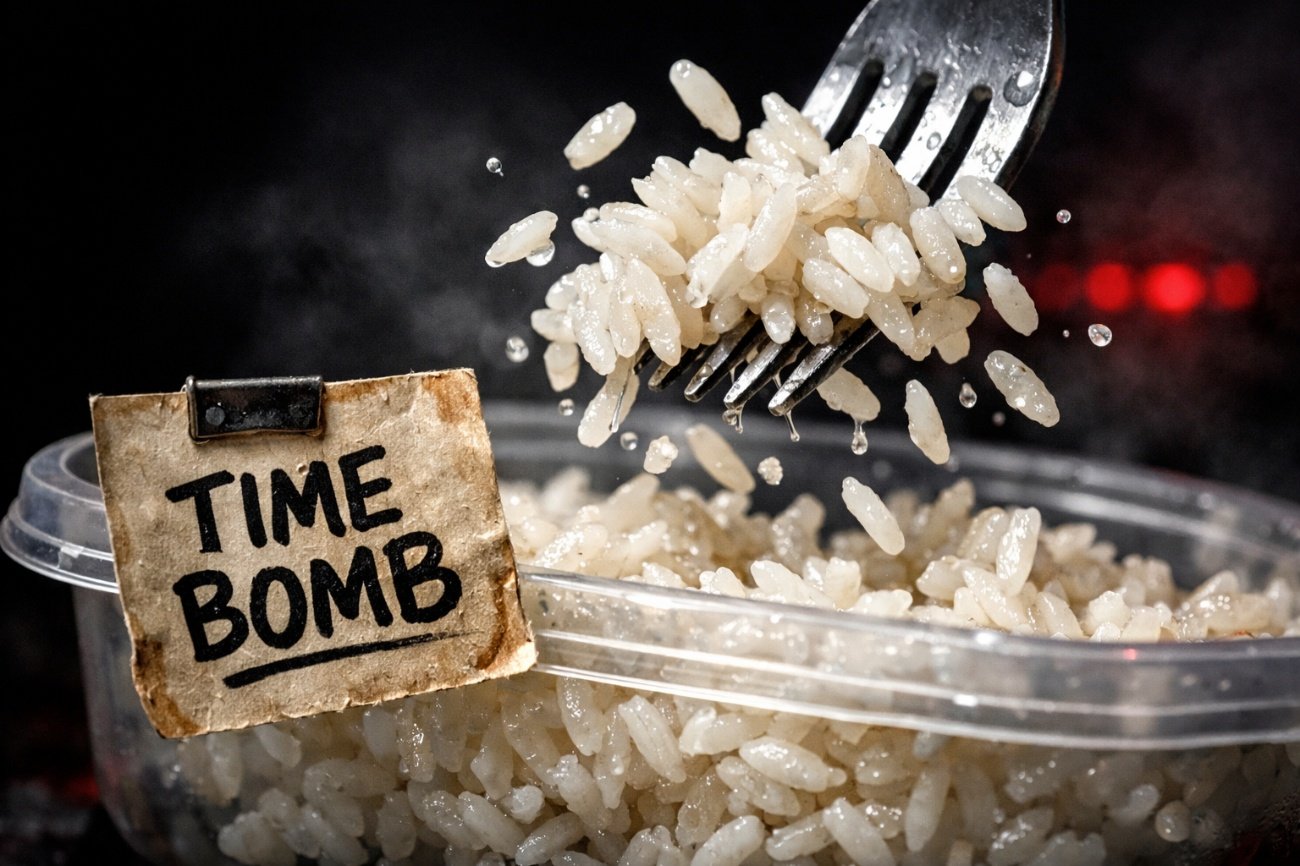
- Time–temperature control
- Environmental monitoring
- HACCP verification
- Shelf-life stability
Key Takeaways
- Foods are rarely sterile; microbes originate from raw materials and contamination during harvesting, processing, storage, and distribution.
- Microbes fall into three practical groups: beneficial, spoilage, and pathogenic.
- Growth depends on intrinsic/extrinsic factors (classic FATTOM): Food, Acidity, Time, Temperature, Oxygen, Moisture.
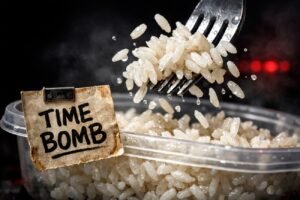
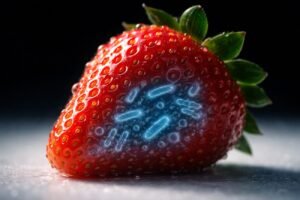
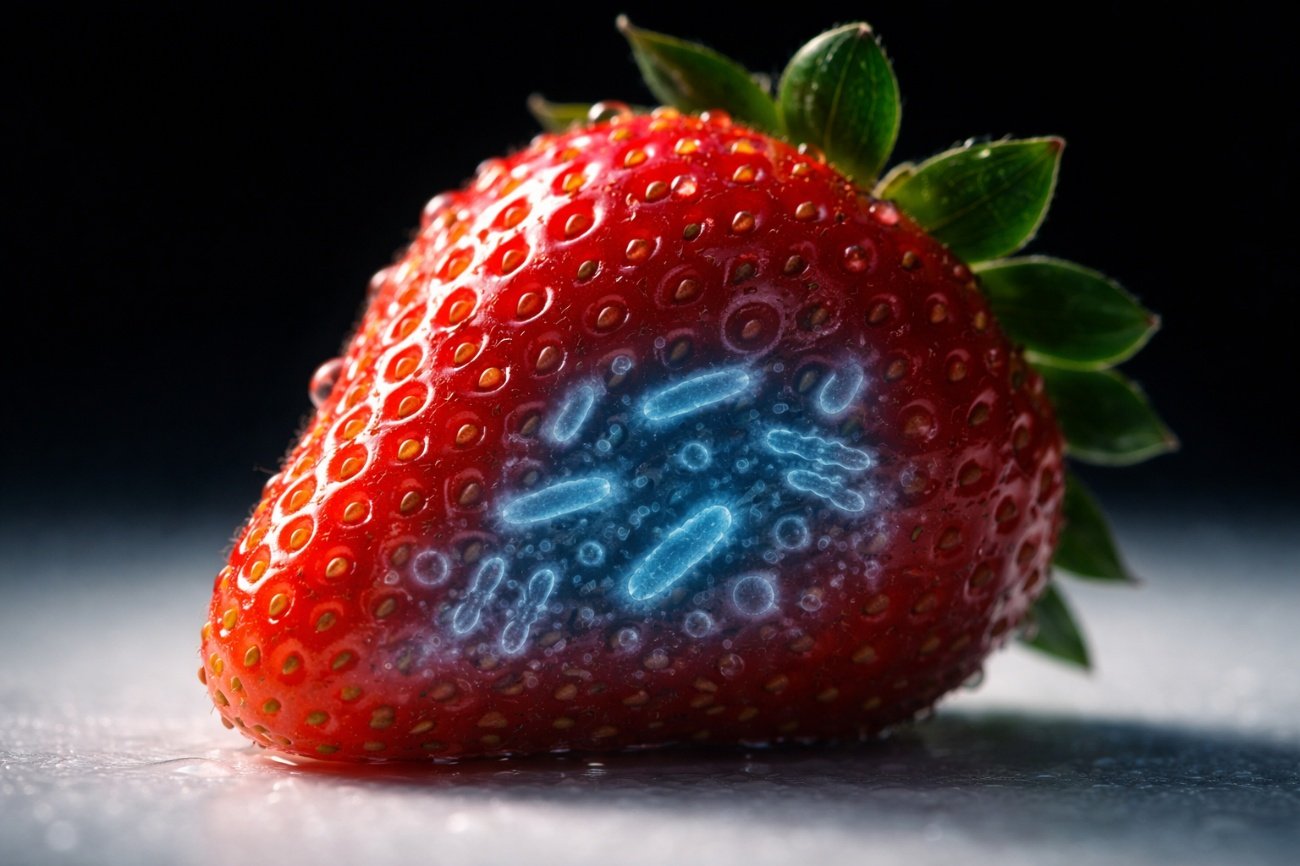
- Safe-looking food may still be dangerous—pathogens are usually invisible.
- Testing supports safety but cannot guarantee it; prevention and control systems matter most.
Audience: Production teams (QA/QC, HACCP, sanitation, operations) and students
Disclaimer: Informational only; not legal or medical advice
What Is Food Microbiology (in Plant Terms)?
A production-focused definition:
Applied microbial ecology in food systems — understanding which organisms enter food, how they behave, and how processing shifts the balance toward safety or spoilage.
Microbes in food can:
- Spoil products
- Cause illness
- Improve food (fermentation)
The Microbial Cast in Food Production
Bacteria (Highest Risk Category)
Bacteria cause most severe food safety incidents because many can multiply rapidly.
Key hazards include:
- Salmonella
- Listeria monocytogenes
- Pathogenic E. coli
- Clostridium botulinum
- Spore-formers like Bacillus and Clostridium
Some survive heat, drying, or other harsh processes.
Yeasts and Molds
Important for both positive and negative outcomes:
- Fermentation (bread, beer, yogurt)
- Spoilage (off-flavors, gas, slime)
- Mycotoxins (toxic compounds in some commodities)
Viruses (“Stomach Bug” Risks)
Viruses do not multiply in food but spread easily via contaminated hands or water.
Major foodborne viruses:
- Norovirus
- Hepatitis A
These can trigger large outbreaks in food service settings.
Parasites and Prions
Less common but potentially severe:
- Parasites: Trichinella, Giardia, Toxoplasma
- Prions: Rare but extremely serious
Where Microbes Come From in Production
Microbial contamination is ecological, not accidental.
Primary sources:
- Natural microflora of raw materials
- Soil and irrigation water
- Air and dust
- Equipment and surfaces
- Workers and animals
The operational goal is not sterility—it is controlling entry and growth of harmful microbes.
Growth and Survival: Why Microorganisms Thrive
Production teams influence several key factors:
Time + Temperature
- Cooling rates
- Cold chain integrity
- Cooking lethality
- Hot holding
Moisture / Water Activity
- Drying
- Freezing
- Salt or sugar formulation
pH
- Acidification
- Fermentation
Atmosphere
- Vacuum packaging
- Modified atmosphere packaging (MAP)
Process failures often occur when these factors drift outside safe limits.
Food Microbiology Testing in Production
Testing answers three core questions:
- Is hygiene effective?
- Is the process working?
- Is the product stable and safe over time?
1) Indicator Organisms
Used as hygiene signals rather than direct hazard proof.
Examples:
- Coliforms
- Thermotolerant coliforms
- E. coli
Indicators suggest contamination pathways or sanitation issues.
2) General Microbial Counts
Examples:
- Total aerobic count
- Yeast and mold counts
Useful for:
- Shelf-life assessment
- Trend analysis
- Sanitation monitoring
Not proof of pathogen absence.
3) Pathogen Testing
Risk-based testing for organisms such as:
- Listeria
- Salmonella
Critical for ready-to-eat foods and high-risk products.
4) Rapid Methods
Modern tools include:
- PCR testing
- Immunoassays (ELISA)
- ATP bioluminescence
- Whole genome sequencing
These accelerate detection and outbreak investigation.
Why Testing Cannot Guarantee Safety
Microbiology is a sampling science.
A “not detected” result means:
Not detected in the tested sample — not necessarily absent in the entire batch.
Therefore, robust safety relies on:
- Preventive controls
- Process validation
- Monitoring systems
Microbiology in HACCP and Preventive Controls
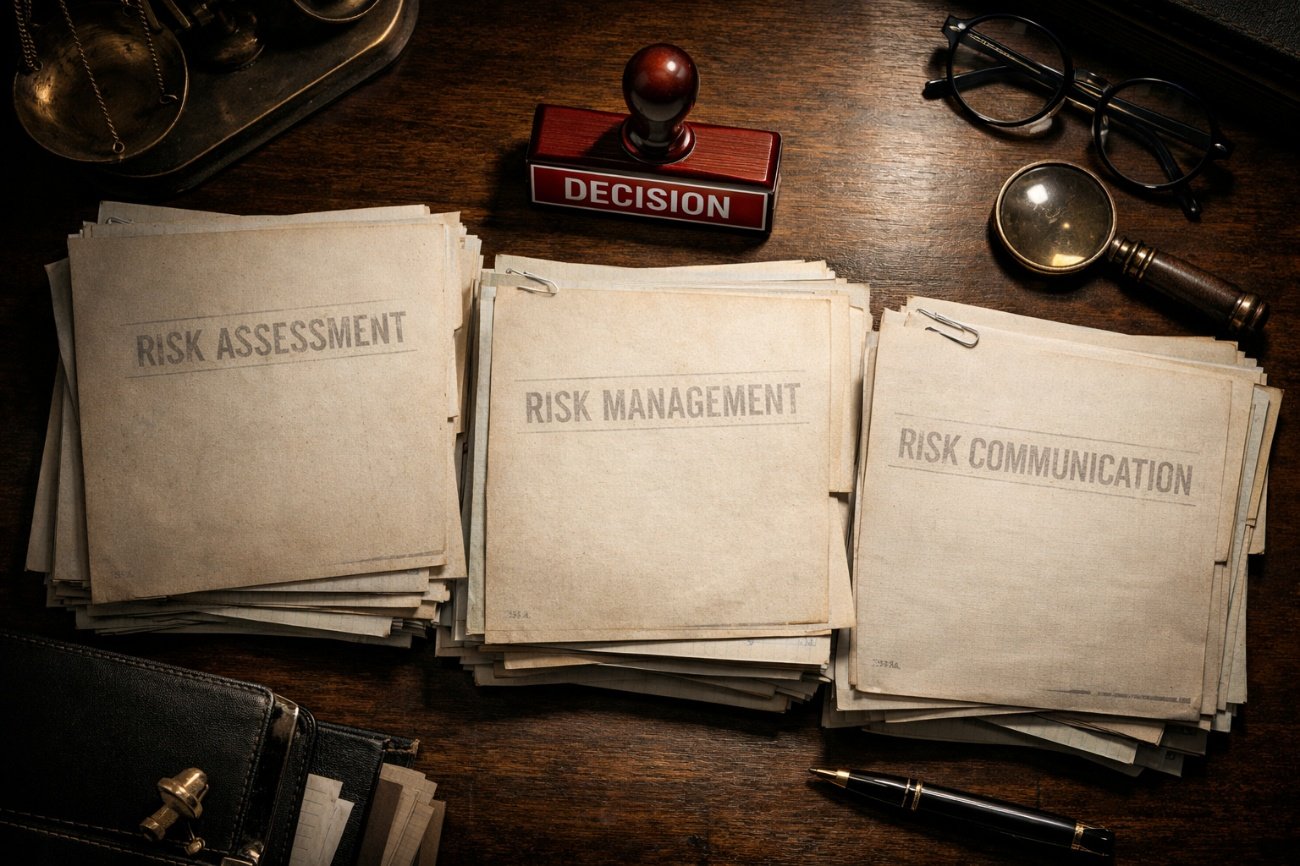
Microbiology underpins every HACCP system.
How It Translates at Plant Level
- Sanitation controls contamination spread
- Lethality steps destroy microbes
- Cooling prevents growth
- Environmental monitoring detects post-process contamination
- Supplier programs reduce incoming hazards
Codex guidance from Codex Alimentarius Commission forms the global foundation for HACCP principles.
Spoilage vs Contamination
A dangerous misconception:
- Spoilage = detectable (odor, slime, gas)
- Pathogens = often invisible
Food that smells fine may still cause illness, especially if consumed without cooking.
Roles: What Does a Food Microbiologist Do?
In production environments, a food microbiologist typically handles:
- Risk assessments
- Sampling plan design
- Lab coordination
- Data trending
- Root cause investigations
- HACCP validation support
- Operator training
For food microbiology careers, the key skill is translating lab results into real-world process controls.
Audit-Ready Microbiology Control Checklist
✔ Hazard mapping by product type
✔ Written sampling plan
✔ Indicator limits and action thresholds
✔ Pathogen control program
✔ Verified time-temperature controls
✔ Sanitation verification (ATP + micro data)
✔ Supplier microbiological requirements
✔ Corrective action procedures
Foodborne Illness: Definitions and Consumer FAQs
What Is Foodborne Illness vs Food Poisoning?
“Food poisoning” commonly refers to acute illness from contaminated food.
Scientifically:
- Infection: Organisms grow in the body
- Intoxication: Pre-formed toxins cause illness
Global disease burden estimates are tracked by World Health Organization.
Common Food Poisoning Symptoms
- Nausea
- Vomiting
- Diarrhea
- Fever (sometimes)
Symptoms vary widely depending on the pathogen.
How Long Does Food Poisoning Last?
Duration depends on:
- Causative agent
- Dose
- Individual health
Medical guidance is essential for vulnerable populations.
Why Norovirus Is Called a “Stomach Bug”
Norovirus spreads through contaminated hands, surfaces, or food.
It does not grow in food but transmits efficiently through food handling failures.
Keeping Current: Research and Guidance
Food microbiology evolves rapidly. Production teams rely on:
- Regulatory guidance from U.S. Food and Drug Administration
- Meat and poultry oversight from USDA Food Safety and Inspection Service
- International standards and research journals
- Industry best practices and alerts
Final Takeaway
Food microbiology is the science that turns food safety from guesswork into a controllable system.
Safety depends not on eliminating microbes—an impossible task—but on:
- Preventing harmful ones from entering
- Controlling growth conditions
- Applying validated processing steps
- Monitoring continuously
In modern food production, microbiology is not optional — it is the operating system of safe food.