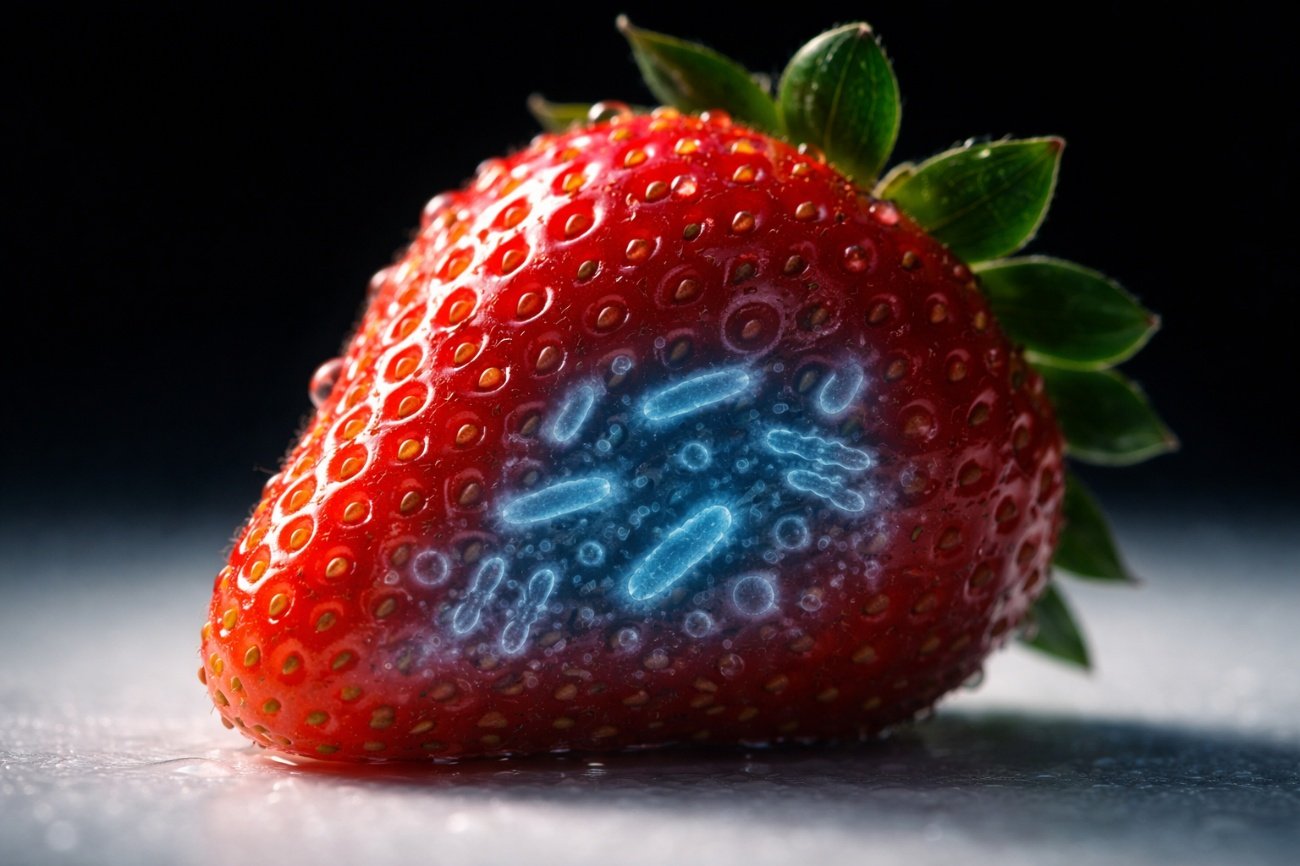
The temperature danger zone is the range where many foodborne bacteria can grow rapidly—turning one handling mistake into a much higher risk of foodborne illness. In plain terms: the danger zone isn’t just a temperature. It’s a countdown—because time + temperature together determine whether bacteria stay low or multiply fast.
Key takeaways
- What is the food danger zone? Roughly 40°F to 140°F (4°C to 60°C) is the classic “temperature danger zone food” range used in training and public guidance.
- Many bacteria can double in number quickly in this range under favorable conditions; risk grows exponentially with time.
- The practical rule is a clock: keep perishable foods out of the danger zone for no more than 2 hours total (or 1 hour in very hot ambient conditions).
- In foodservice, operational guardrails often use ≤41°F cold holding and ≥135°F hot holding, plus strict cooling requirements—because cooling is where many outbreaks happen.
- Reheating does not “always save you.” Some hazards involve heat-stable toxins (notably Staphylococcus aureus toxin, and certain Bacillus cereus scenarios).
- For HACCP food safety, time/temperature is commonly a critical control point (CCP) with measurable critical limits and monitoring.
Scope
Audience: food handlers, kitchen managers, QA/food safety professionals, trainers
Disclaimer: Informational only; not legal advice. (Local/state food safety regulations may differ.)
What is the danger zone for food?
If you’ve ever searched “what is the danger zone” or “what is the temperature danger zone,” here’s the clean definition:
The food temperature danger zone is the temperature range where many foodborne bacteria grow fastest. In common food safety training, that range is about 40°F–140°F (4°C–60°C).
That’s why “lukewarm” is the worst category in practical food safety: it’s not cold enough to slow bacteria and not hot enough to kill them.
For broader context, see our explainer on what is food safety and how hazard control works across biological, chemical, and physical risks.
The danger zone temperature isn’t the whole story (time is the multiplier)
Food doesn’t become risky because it is “old.”
Food becomes risky because it sits at the wrong temperature for long enough.
This is why the same dish can be safe at 90 minutes and risky at 3 hours, even if it looks and smells identical.
The 2-hour rule (and the 1-hour rule)
For most perishable foods, the practical guideline is:
- 2 hours maximum total time in the danger zone
- 1 hour if it’s very hot outside or in hot environments
That extra hour isn’t “a little more risk.” Because bacteria grow exponentially, it can mean dramatically higher bacterial loads.
Why the danger zone exists: only one hazard category multiplies
Food safety hazards are typically grouped as:
- Physical hazards (glass, metal) — don’t multiply
- Chemical hazards (cleaners, heavy metals, residues) — don’t multiply on their own
- Microbiological hazards (bacteria + some toxins) — can multiply when conditions allow
That’s why the temperature danger zone is primarily a microbial growth concept linked to foodborne illness risk.
For deeper context on real-world risk patterns, see our guide to real risks in food.
FAT TOM and food safety temperatures: why bacteria love warm food
FAT TOM is the classic training shorthand for what bacteria need:
- Food (nutrients)
- Acidity (pH)
- Time
- Temperature
- Oxygen
- Moisture
Most foods people mishandle—meat, dairy, cooked grains, stews—already have moisture, nutrients, and a friendly pH. So the decisive levers become time and temperature.
The food danger zone numbers that matter (home and professional)
When people search “what temperature is the danger zone,” they’re usually looking for practical targets.
Consumer / home guidance
- Keep cold foods at or below 40°F
- Keep hot foods at or above 140°F
- Follow the 2-hour / 1-hour rule
Foodservice / retail operational numbers
Many systems aligned with the U.S. Food and Drug Administration Food Code use:
- Cold holding ≤41°F
- Hot holding ≥135°F
These targets reflect how regulators operationalize food safety temperatures in commercial settings.
For public-health context, the Centers for Disease Control and Prevention tracks outbreak data that frequently points back to time/temperature abuse as a root cause.
Cooling rules: the #1 professional failure point
In professional kitchens, the biggest danger zone problem is often cooling, especially after bulk cooking.
A widely trained cooling curve:
- Cool from 135°F to 70°F within 2 hours
- Then from 70°F to 41°F within 4 more hours (total 6 hours)
Why the first drop matters: warm-but-not-hot food is a growth accelerator. If you don’t pass through that range quickly, you can unintentionally create an ideal incubation period.
“Reheat later” is not a plan: three danger-zone villains
Villain #1: Clostridium perfringens (“the cafeteria germ”)
Spore-forming bacteria can survive cooking.
If large batches cool slowly or sit warm, spores can germinate, grow, and reach high numbers.
Pattern: bulk cooking + slow cooling + illness later.
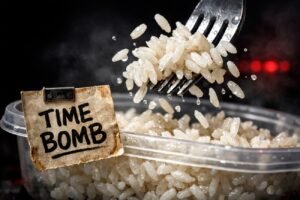
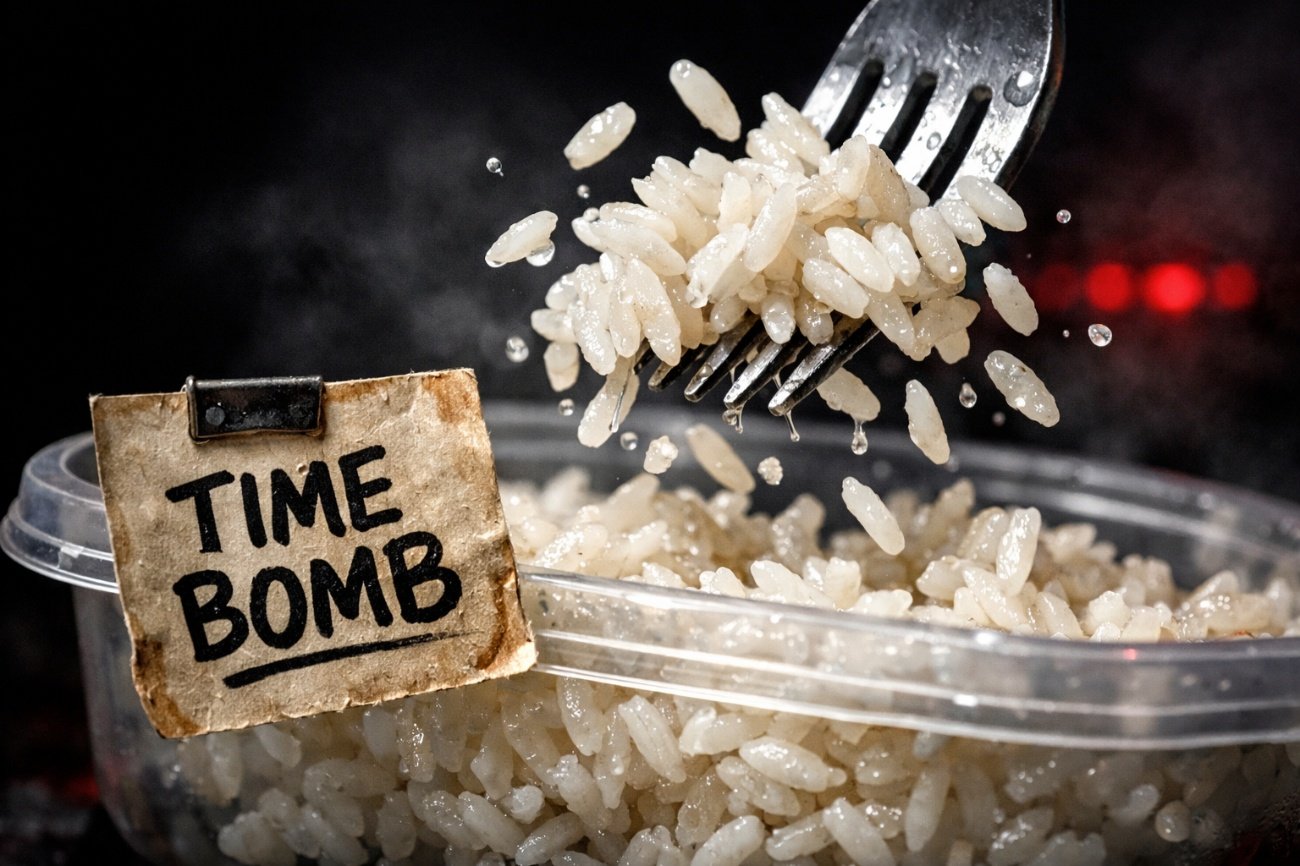
Villain #2: Bacillus cereus (“fried rice syndrome”)
Spores can be present in dry foods like rice.
Cooked rice left warm allows growth, and some strains can produce toxins that reheating may not fix.
Villain #3: Staphylococcus aureus (“reheat won’t save you”)
Often comes from human handling.
If contaminated food is held warm, bacteria can produce heat-stable toxins. Reheating can kill the bacteria—but the toxin can remain.
This is why food safety rules focus so aggressively on time/temperature control: sometimes there is no second chance.
HACCP food safety: the temperature danger zone as a CCP
If you’re asking “what is HACCP in food safety,” this is where it becomes practical.
In HACCP language:
- Time/temperature control is often managed as a critical control point (CCP)
- It uses measurable critical limits (e.g., ≥135°F hot holding, cooling targets)
- It requires monitoring, corrective actions, verification, and records
The danger zone is not “a tip.” It’s a measurable control strategy that can determine audit outcomes and outbreak risk.
See our full breakdown of HACCP explained for hazard analysis → control design.
Table: Danger zone mistakes → what goes wrong → the fix
| Mistake (common) | What it causes | The fix |
| “I’ll cool it later” | Long time in danger zone; spore growth | Shallow containers, venting, ice bath, rapid chill |
| Warm holding at “kind of hot” | Growth during service | Keep hot ≥135°F |
| “Smells fine” decisions | False safety signal | Use time/temperature rules, not senses |
| “Reheat fixes it” | Heat-stable toxins remain | Prevent toxin formation; don’t hold warm too long |
| Deep containers in fridge | Slow center cooling | Portion down, increase surface area, stir liquids |
Food safety tips: the 60-second safe leftovers protocol
If you remember one practical protocol, it’s this: cool fast by changing the geometry.
The shallow-container method
- Split large batches into shallow containers
- Spread food out (surface area releases heat faster)
- Use ice baths for liquids; stir frequently
- Refrigerate promptly—don’t wait for “room temp”
- Use a thermometer when it matters
This is the simplest way to reduce time spent in the danger zone for food at scale.
Food safety rules and guidelines: what food handlers should do
For food handlers
- Time-stamp food removed from temperature control
- Verify hot and cold holding with thermometers
- Use shallow pans for cooling
- Avoid “warm storage” zones (tops of ovens, near grills)
- Don’t rely on smell or appearance
- Escalate deviations quickly
For managers / QA
- Write SOPs for cooling, holding, reheating
- Make logs usable—not punitive
- Calibrate thermometers regularly
- Define corrective actions clearly (hold, evaluate, discard)
Myth-busting: danger zone edition
Myth: “If it smells fine, it’s safe.”
Reality: Pathogens don’t need to smell bad.
Myth: “Reheating fixes everything.”
Reality: It doesn’t fix heat-stable toxins.
Myth: “It’s not meat, so it’s safe.”
Reality: Cooked rice, pasta, beans, potatoes can become high-risk.
Myth: “You can’t put hot food in the fridge.”
Reality: You can—if you cool it correctly and use shallow containers.
FAQ
What is the danger zone?
The danger zone is the temperature range where many foodborne bacteria can grow rapidly—commonly 40°F–140°F (4°C–60°C).
What temperature is the danger zone?
Public guidance often describes it as 40°F–140°F, with operational targets in foodservice typically ≤41°F cold and ≥135°F hot.
What is temperature danger zone food?
It refers to perishable foods that support bacterial growth when held in the danger zone long enough—especially cooked foods cooling slowly or held warm.
Why doesn’t reheating always make food safe?
Because some bacteria can produce heat-stable toxins during prolonged warm holding. Reheating may kill bacteria but not remove the toxin.
How does HACCP relate to the danger zone?
In HACCP systems, time/temperature controls are measurable controls (often CCPs) with defined limits, monitoring, corrective actions, and verification.
Video companion
For a story-driven breakdown—why the danger zone is a countdown, the three “villains,” and the 60-second safe leftovers protocol—watch: