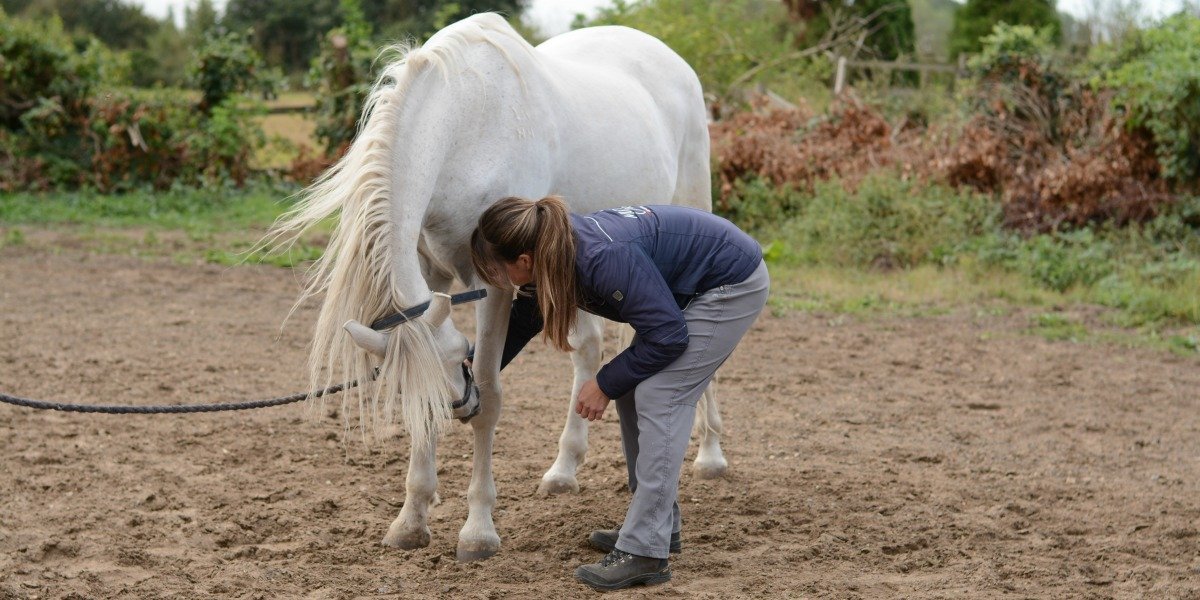
Spotting pain in a horse before it becomes obvious has always been one of the most important parts of responsible horsemanship for me. The earlier I recognize discomfort, the faster I can address the cause and prevent it from escalating into a bigger problem. Horses rarely display pain in dramatic ways at the beginning. Most of the time, the clues are quiet, subtle, and easy to dismiss as moodiness, stubborn behavior, or temporary tension. Over the years, paying close attention has shown me that small details matter far more than dramatic signals. Once I began looking closely at posture, expression, attitude, and the little changes in how a horse reacts to ordinary routines, it became clear that early signs of pain are almost always present long before a horse ends up visibly lame or distressed.