Introduction
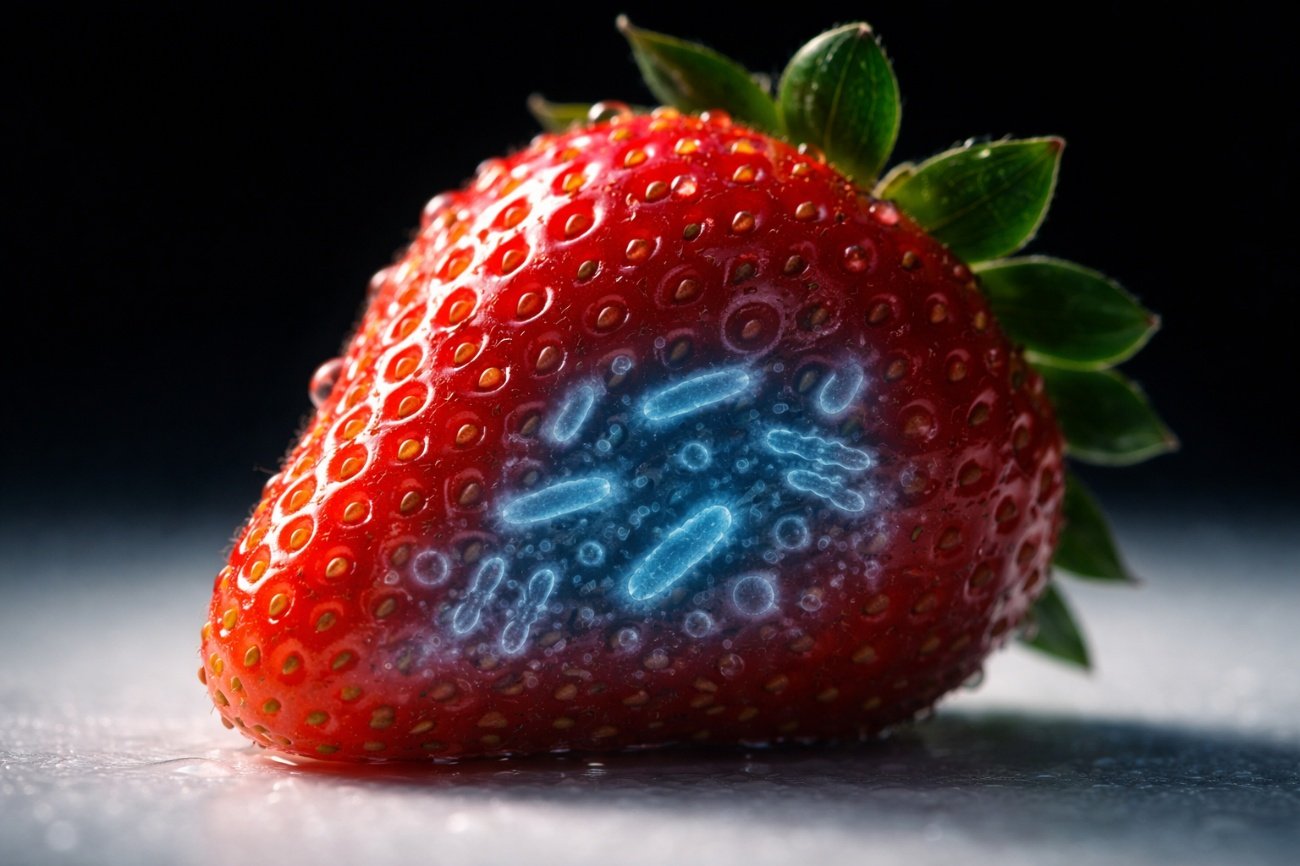
HACCP is a preventive food safety system designed to stop foodborne illness before it happens by controlling hazards in the process—not by relying on final product testing.
In practical terms, HACCP is the method food businesses use to:
- Identify where hazards can occur
- Decide which steps are critical control points (CCPs)
- Monitor those steps routinely
- Take corrective action before unsafe product reaches consumers
For broader context, see foundational discussions on what is food safety and preventive control systems.
Key Takeaways
- HACCP stands for Hazard Analysis and Critical Control Points.
- The HACCP meaning is simple: analyze hazards and control the process where control is essential.
- A HACCP plan is not a binder for audits—it’s an operational control system.
- CCPs should be few and defensible. If everything is a CCP, nothing is effectively controlled.
- HACCP depends on strong prerequisite programs (GMPs, sanitation, allergen control, maintenance, pest control, training).
- HACCP reduces foodborne illness risk but does not replace food fraud or food defense systems.
Audience: QA managers, supervisors, auditors, food handlers, trainers
Disclaimer: Informational only; not legal advice.
What Is HACCP?
HACCP Meaning and Definition
HACCP (Hazard Analysis and Critical Control Points) is a systematic approach to:
- Identify biological, chemical, and physical hazards
- Determine where they can be controlled
- Establish measurable controls
- Monitor and document those controls
HACCP is process-focused, not product-testing focused.
HACCP Is Not “Testing the Final Product”
You cannot reliably test safety into food. Sampling misses rare contamination events, and results often come after shipment.
HACCP exists because:
- Prevention is stronger than detection.
- Control must happen during production.
- Monitoring must occur in real time.
HACCP System vs HACCP Program
In practice:
- HACCP system → The daily operational preventive control framework.
- HACCP program → The organizational structure around it (training, audits, records, reassessment).
Both terms are used. What matters is measurable, repeatable control.
What Is a HACCP Plan?
A HACCP plan is a written and operational control document that includes:
- Hazard analysis and significance decisions
- Identified CCPs
- Critical limits for each CCP
- Monitoring procedures (who, what, how, how often)
- Corrective actions
- Verification and validation activities
- Documentation and recordkeeping requirements
Best definition:
A HACCP plan is the playbook that proves you control significant hazards during production.
The HACCP Steps (The 12-Step Build)
Most teams build HACCP using a structured sequence:
- Assemble the HACCP team
- Describe the product and distribution
- Define intended use and consumers
- Create the process flow diagram
- Verify the flow diagram on-site
6–12. Apply the 7 HACCP principles
This ensures hazard analysis reflects the real process—not a theoretical one.
The 7 HACCP Principles
These principles form the backbone of the haccp system.
1️⃣ Conduct a Hazard Analysis
Identify potential hazards at each step and evaluate:
- Severity
- Likelihood in your operation
The output is a decision—not a generic list.
2️⃣ Determine Critical Control Points (CCPs)
A CCP is a step where control is essential to:
- Prevent a hazard
- Eliminate a hazard
- Reduce a hazard to an acceptable level
Common CCP Examples
- Cook/kill steps (time–temperature controls)
- Cooling/chilling controls
- Metal detection or X-ray
- Allergen formulation controls
- pH or water activity (aw) controls
For temperature examples, refer to discussions on food safety temperatures and the danger zone.
3️⃣ Establish Critical Limits
A critical limit is a measurable boundary between safe and unsafe.
Examples:
- Minimum internal cook temperature
- Maximum cooling time
- Specific pH threshold
Critical limits must be evidence-based and measurable.
4️⃣ Establish Monitoring Procedures
Monitoring must:
- Detect deviations in time
- Be practical on the production floor
- Occur at a frequency that prevents unsafe product release
5️⃣ Establish Corrective Actions
Corrective actions must address:
- Product disposition (hold, rework, destroy)
- Root cause correction
- Proof the CCP is back in control
- Documentation
If no product is ever placed on hold, your monitoring likely isn’t real.
6️⃣ Establish Verification Procedures
Verification confirms the plan works.
Examples:
- Record review
- Instrument calibration
- Internal audits
- Trend analysis
- Direct observation
Verification answers: “Is the system operating as designed?”
7️⃣ Establish Documentation and Records
Records provide:
- Operational visibility
- Audit evidence
- Traceability support
- Legal defensibility
No records = no proof of control.
Prerequisite Programs (PRPs): The Foundation
HACCP fails when used to compensate for weak basics.
PRPs typically include:
- GMPs and sanitation (SSOPs)
- Allergen control
- Maintenance and calibration
- Pest control
- Supplier approval
- Food handler training
- Traceability and recall readiness
- Storage controls (including FIFO)
Where FIFO Fits
FIFO (First In, First Out) is not a CCP.
It is a stock-rotation control within PRPs that reduces risk of:
- Expired ingredients
- Time/temperature abuse
- Label or lot confusion
- Increased spoilage risk
FIFO supports safety—but it’s not a critical control point.
HACCP Certification: What It Means
“HACCP certification” can mean different things:
- Individual HACCP training certification
- Facility certification under a scheme that includes HACCP (e.g., GFSI-benchmarked schemes)
- Regulatory compliance where HACCP is legally required
Be precise about which one you mean.
HACCP Training: The Practical Minimum
Effective haccp training should cover:
- Hazard types and foodborne illness pathways
- What makes a CCP truly critical
- Monitoring techniques
- Deviation identification
- Corrective action execution
- Record integrity
- Escalation and hold authority
Monitoring happens on the production floor—so training must include line staff, not only QA.
Myth-Busting
Claim: HACCP Is Just Paperwork
Reality:
HACCP is only real if monitoring triggers holds, corrective actions, and verified return-to-control.
Claim: HACCP Prevents All Problems
Reality:
HACCP controls food safety hazards. It does not replace food fraud vulnerability assessment or food defense plans.
Audit-Ready Checklist
☐ Confirm PRPs are effective (sanitation, allergen control, maintenance, FIFO)
☐ Verify flow diagram on-site annually and after changes
☐ Keep CCPs limited and justified
☐ Use measurable, evidence-based critical limits
☐ Ensure monitors are trained and empowered
☐ Review records daily and trend deviations
☐ Calibrate instruments on schedule
☐ Reassess HACCP after deviations, supplier changes, new equipment, or new products
FAQ
What is HACCP?
A preventive food safety system that identifies significant hazards and controls them through CCPs, critical limits, monitoring, corrective actions, verification, and records.
What does HACCP stand for?
Hazard Analysis and Critical Control Points.
What is a HACCP plan?
A documented and operational system used to prevent, eliminate, or reduce significant hazards to acceptable levels.
What are critical control points?
Process steps where control is essential to prevent or reduce a hazard to an acceptable level.
Is HACCP required?
It depends on product category and jurisdiction. Many sectors legally require HACCP-based preventive controls, and most certification schemes expect it.
Final Takeaway
HACCP is not about paperwork.
It is about:
- Identifying real hazards
- Choosing defensible CCPs
- Monitoring with discipline
- Acting immediately on deviations
- Proving control through records
When HACCP works, foodborne illness risk drops—not because of testing, but because the process stays in control.
Video Companion
Watch the HACCP companion video here:
https://youtu.be/_AmIy3aQLNU
It explains the origin story, why end-product testing fails, and how to build a HACCP plan that actually runs on the floor—not just in a binder.