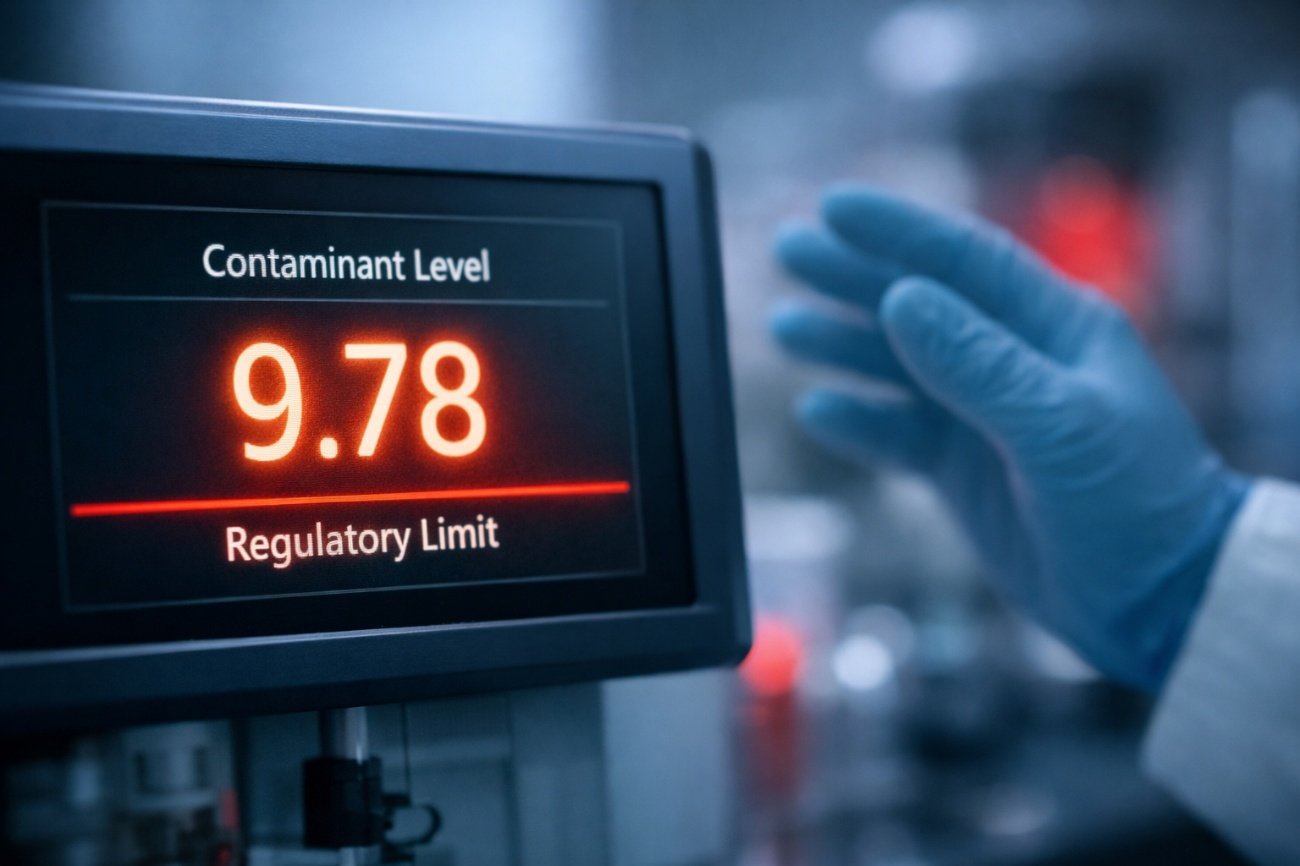
Food hazards are anything in food that can cause harm (biological, chemical, or physical).
Food contaminants are a specific legal subset: substances not intentionally added that enter food from production, processing, packaging, transport, storage, or the environment.
That distinction matters. Plants must control all hazards, but regulators often enforce contaminants through Maximum Levels (MLs) and Maximum Residue Limits (MRLs) that can trigger border rejections and recalls—even when the product looks perfect.
Key Takeaways
- Contaminant ≠ hazard. Every harmful contaminant is a hazard, but not every hazard is legally a “contaminant.”
- Food hazards fall into three families: biological, chemical, physical.
- Five “high-interest” contaminant groups dominate enforcement: pathogens, pesticide residues, mycotoxins, heavy metals, and other chemicals.
- Compliance depends on MLs/MRLs, defensible sampling, lab capability, and measurement uncertainty (MU).
- Multi-market trade often requires a “strictest-wins” specification strategy.
Audience: QA managers, compliance teams, auditors, labs, procurement.
Disclaimer: Informational only; not legal advice.
Definitions That Prevent Compliance Mistakes
What Is a “Food Contaminant”?
In Codex terminology (see Codex Alimentarius Commission), a contaminant is a substance not intentionally added that is present due to:
- Production or manufacture
- Processing or preparation
- Packaging or transport
- Environmental contamination
Codex explicitly excludes extraneous matter (e.g., insect fragments, rodent hairs) from the contaminant definition.
What Is a Food Hazard?
A food hazard is any biological, chemical, or physical agent—or food condition—that can cause adverse health effects.
Practical translation:
Regulators may argue “contaminant” in a narrow legal way.
Your HACCP/FSMS must control hazards, whether or not they are legally defined as contaminants.
(See also: What is food safety? and HACCP explained.)
The Three Major Hazard Categories
1) Biological Hazards (Microbiological)
Examples:
- Salmonella
- Listeria monocytogenes
- STEC
- Campylobacter
- Viruses and parasites
Primary consequence: foodborne illness.
Operational reality:
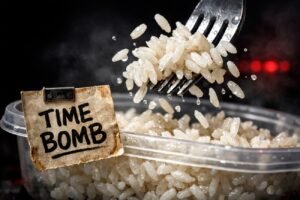
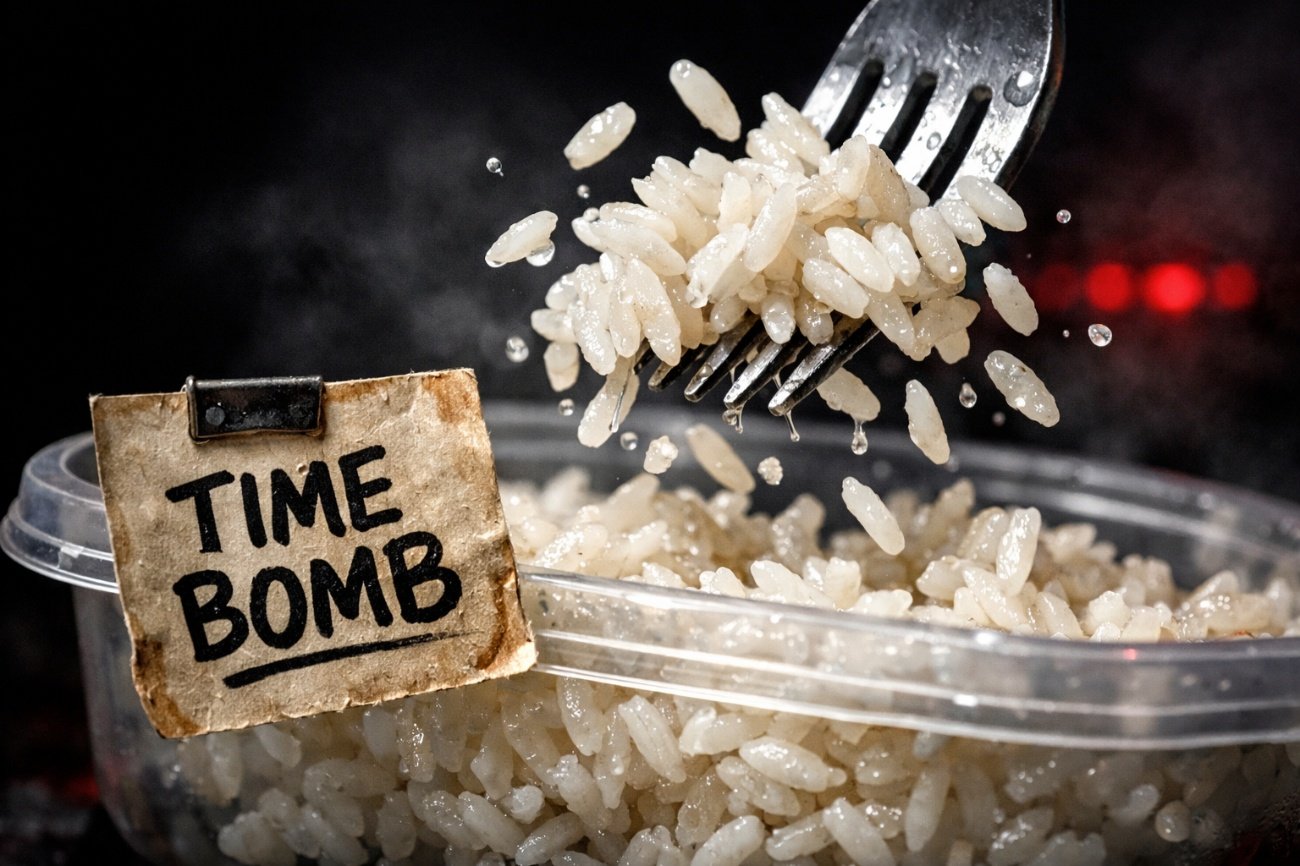
Time and temperature control are non-negotiable. Many failures trace back to growth and survival conditions explained by FAT TOM:
- Food
- Acidity
- Time
- Temperature
- Oxygen
- Moisture
This is where the temperature danger zone becomes critical.
2) Chemical Hazards
Chemical hazards include:
A) Unintended contaminants
- Mycotoxins
- Heavy metals
- Industrial pollutants
- Process contaminants
B) Mismanaged intentional chemicals
- Additives exceeding legal limits
- Sanitizer residues
- Processing aids misapplied
Regulators manage chemicals through:
- MLs (Maximum Levels)
- MRLs (Maximum Residue Limits)
These are tied to toxicology, exposure modeling, and feasibility.
3) Physical Hazards
Examples:
- Glass
- Metal fragments
- Hard plastic
- Stones
- Extraneous matter
Primary risk: choking, laceration, injury.
Control tools:
- Sieves
- Metal detection
- X-ray
- Foreign material audits
The Five “High-Interest” Contaminant Groups
These groups dominate recalls and import rejections.
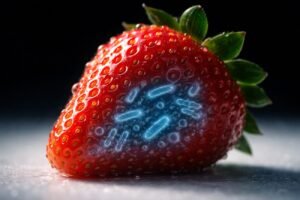
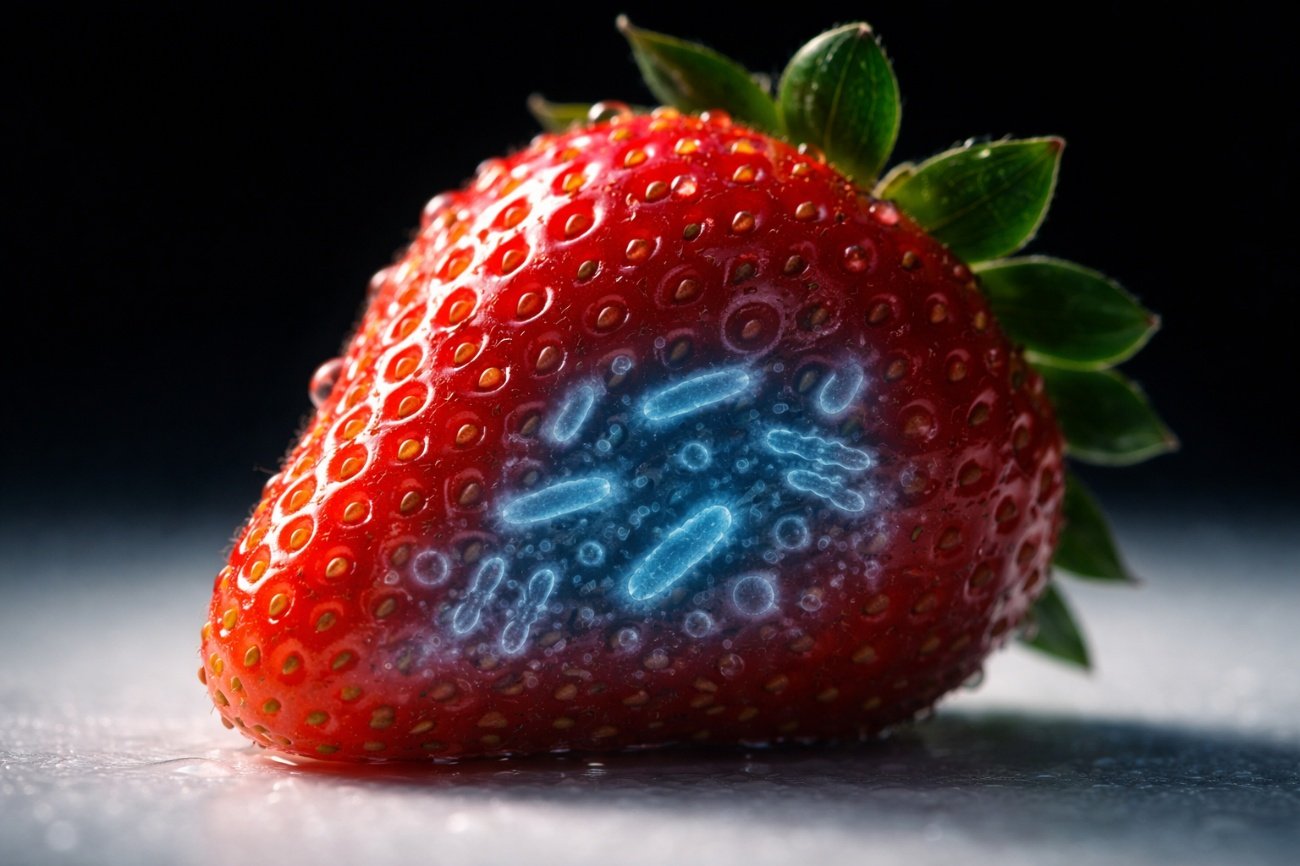
1) Pathogenic Microorganisms
Often subject to “zero tolerance” criteria for specific pathogen–food pairs.
Control toolkit:
- GMPs
- Sanitation
- Validated kill-steps
- Environmental monitoring
- Risk-based finished-product testing
2) Pesticide Residues (MRLs / Tolerances)
MRLs (EU and Codex) or tolerances (U.S.) are typically expressed in mg/kg.
In the EU framework, unapproved pesticide–commodity combinations default to 0.01 mg/kg—often referred to as a “technical zero.”
U.S. tolerances are established by the United States Environmental Protection Agency and enforced through agencies like the U.S. Food and Drug Administration and USDA Food Safety and Inspection Service.
3) Mycotoxins
Naturally occurring toxins from molds:
- Aflatoxins
- DON (deoxynivalenol)
- Fumonisins
- Ochratoxin A
- Zearalenone
Codex standards (e.g., CXS 193-1995) provide ML examples for certain commodities.
Prevention:
- Good Agricultural Practices (GAP)
- Moisture control
- Supplier qualification
- Storage management
4) Heavy Metals
Examples:
- Lead
- Cadmium
- Mercury
- Inorganic arsenic
Risk profile: chronic toxicity.
Prevention:
- Source control (soil/water)
- Segregation
- Ingredient testing
- Process controls
5) “Other Chemicals”
This category includes:
- Veterinary drugs
- Dioxins/PCBs
- Process contaminants (acrylamide, 3-MCPD esters, PAHs)
Risk varies by commodity and processing method.
How Limits Work in Practice
ML vs MRL
MRL:
Highest residue legally allowed (usually pesticides or vet drugs), based on Good Agricultural Practice and risk assessment (ADI/ARfD).
Exceeding an MRL = legal non-compliance.
ML:
Maximum level for contaminants (e.g., metals, mycotoxins), typically commodity-specific.
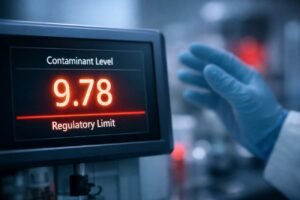
“Slightly Above” Is Still Non-Compliant
There is no built-in ±10% buffer.
Only measurement uncertainty (MU) may be considered in enforcement decisions.
Target specs should sit comfortably below limits.
Measurement Uncertainty (MU) & Sampling
Two companies can test the same lot and get different outcomes if:
- Sampling plans differ
- Homogeneity is poor
- Lab LOQs differ
- MU is large
Poor sampling can invalidate results—and liability remains.
“Not Detected” ≠ “Zero”
“Not detected” means below the method’s LOD/LOQ.
If regulation effectively requires a “technical zero” (e.g., 0.01 mg/kg default), your lab’s LOQ must be capable of demonstrating compliance.
U.S. Framework (High-Level)
Compliance often requires navigating multiple authorities:
- U.S. Food and Drug Administration (FDA food safety; action levels; defect levels)
- Centers for Disease Control and Prevention (CDC food safety surveillance and outbreak data)
- United States Environmental Protection Agency (pesticide tolerances)
- USDA Food Safety and Inspection Service (meat/poultry oversight)
Plus state food safety rules for retail and food service.
What To Do: Audit-Ready Checklist
1) Start With a Hazard Inventory
Not just contaminants.
List biological, chemical, and physical hazards reasonably foreseeable for your product and process.
2) Identify High-Interest Exposure Points
For most global trade categories, focus on:
- Pathogens
- Pesticide residues
- Mycotoxins
- Heavy metals
- Other chemicals
3) Build a Market-by-Market Limits Map
Map:
- Codex
- Importing country limits
- Customer specifications
Apply “strictest-wins” unless segregating by market.
4) Make Sampling Defensible
- Follow official sampling plans
- Maintain chain of custody
- Train staff
5) Choose the Right Lab
- ISO 17025 accreditation
- Appropriate LOQs
- Clear MU reporting
6) Monitor Regulatory Change
Track:
- Codex updates
- EU ML revisions
- U.S. tolerance updates
- WTO/SPS alerts
Regulatory change is a control point.
7) If There’s No National Limit
Default to:
- Codex ML/MRL if available
- Lowest reputable benchmark
- Documented rapid risk analysis approach
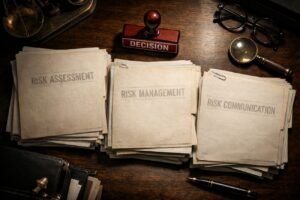
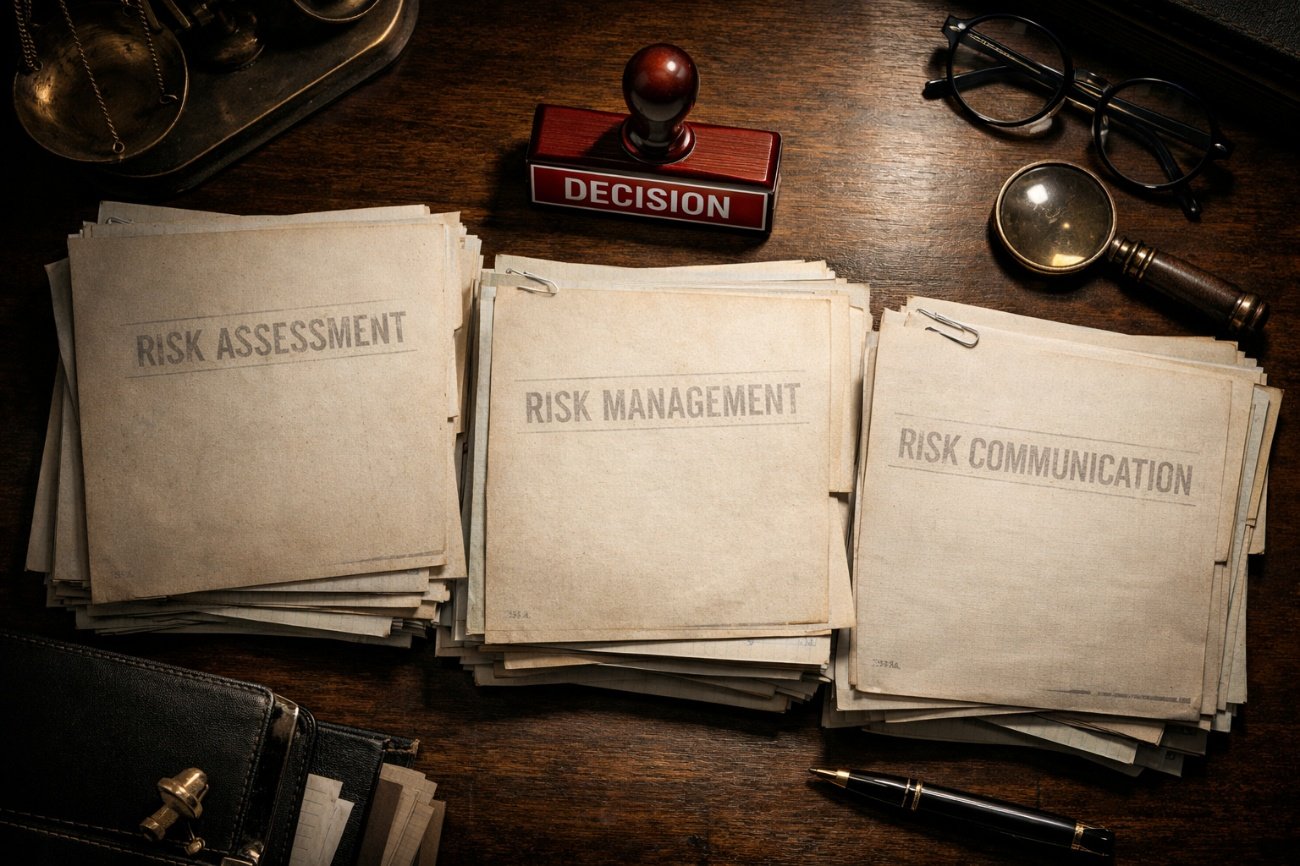
Use structured risk assessment principles (see: Risk Assessment & Risk Matrix).
Hazard vs Contaminant: Quick Interpretation Table
| Term | Meaning | What Teams Should Do |
| Food hazard | Any biological, chemical, physical agent or unsafe condition | Capture in HACCP hazard analysis and control |
| Food contaminant (Codex) | Unintended substance introduced via production/environment; excludes extraneous matter | Manage via ML/MRL, specs, monitoring, and testing |
FAQ
Are food contaminants the same as food hazards?
No. Contaminants are a legal subset of hazards. Hazards also include allergens, physical foreign bodies, and unsafe conditions like temperature abuse.
What are the main types of food hazards?
Biological, chemical, and physical.
Which contaminant groups trigger most enforcement and trade friction?
Pathogens, pesticide residues, mycotoxins, heavy metals, and other chemicals (e.g., veterinary drugs, dioxins/PCBs, process contaminants).
What does “technical zero” mean?
In EU pesticide regulation, unapproved pesticide–commodity combinations default to 0.01 mg/kg, effectively the LOQ-based “technical zero.”
Video Companion
If you want the systems view—why “legal in one country” can be rejected in another, how ML/MRL decisions are made, and why sampling + measurement uncertainty decide outcomes:
👉 https://www.youtube.com/@Foodnotfooled-2u