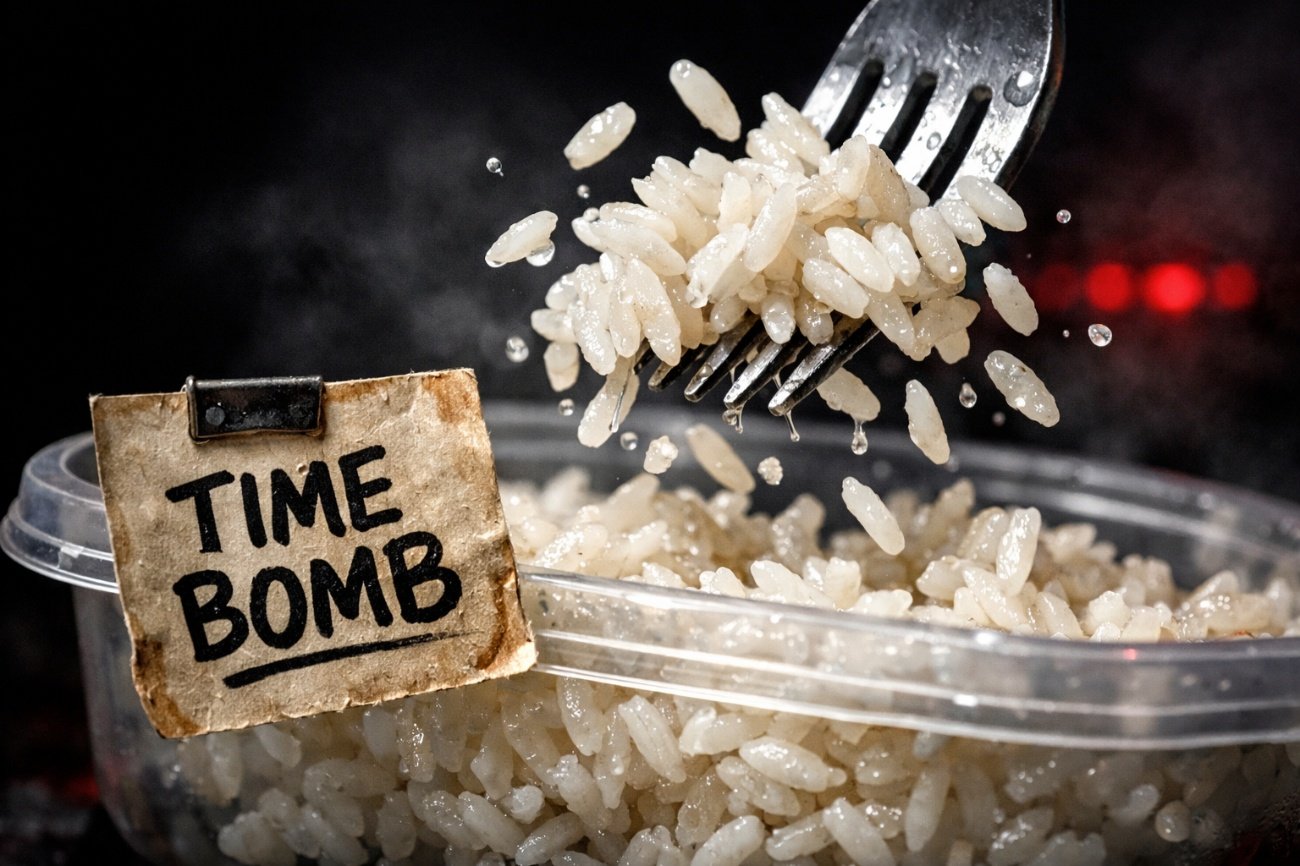
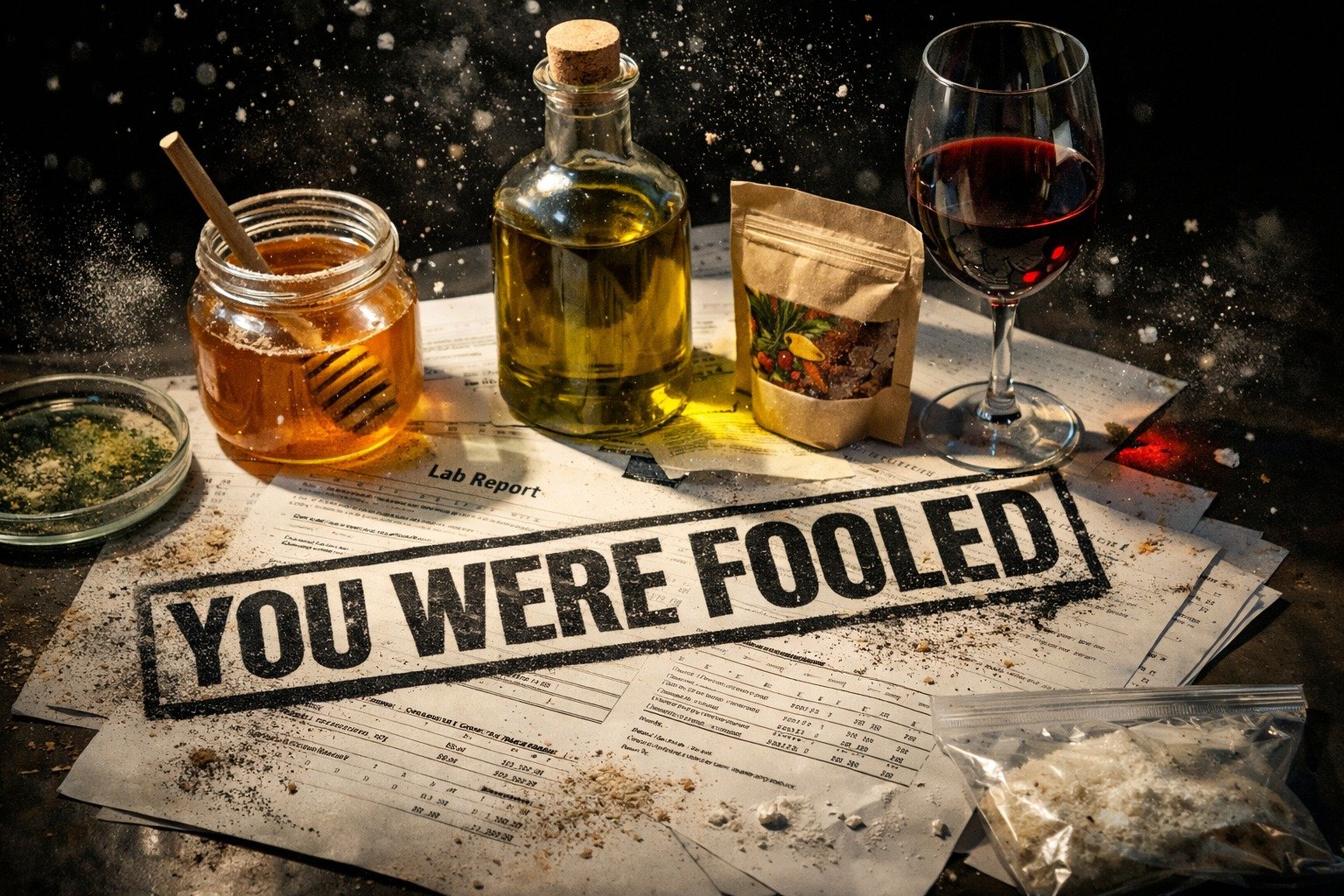
What Is Food Fraud?
Food fraud is the intentional deception of food—its identity, quality, composition, or origin—for economic gain. It can involve substitution (one species sold as another), dilution (watering down), adulteration (adding undeclared materials), or mislabeling/counterfeiting.
In modern global supply chains, food fraud is often difficult to detect without targeted controls and analytical testing. As a result, prevention is increasingly treated as both a food safety requirement and a brand protection necessity.
Key Takeaways
- Food fraud is intentional and economically motivated — unlike accidental contamination or ideologically driven tampering (food defense).
- Many fraud types are invisible without laboratory methods (DNA testing, spectroscopy, targeted chemistry).
- Major incidents show fraud can cause severe public health harm, even if harm was not intended.
- Industry schemes increasingly require food fraud vulnerability assessment and mitigation (often via VACCP).
- Strong programs combine supplier controls, traceability, specifications, testing, and response plans.
Scope
This article focuses on food supply chain fraud (ingredients, manufacturing, labeling, distribution). It does not cover restaurant hygiene issues or unintentional foodborne pathogens (although fraud can create safety hazards).
Audience: Food safety, QA, regulatory professionals, laboratories, procurement teams, auditors
Disclaimer: Informational only; not legal advice
Definitions and Framing
Food Fraud Definition
A widely accepted technical definition:
Intentional deception for economic gain involving food, ingredients, packaging, or labeling
In U.S. regulatory language, this aligns with Economically Motivated Adulteration (EMA) — intentional substitution, addition, or removal of substances for profit.
Regulatory guidance from the Food and Drug Administration emphasizes that hazards introduced intentionally for economic gain must be considered when they pose food safety risks.
Hazard vs. Risk (Why It Matters)
- Hazard: A biological, chemical, or physical agent capable of causing harm
- Risk: Probability × severity of harm under conditions of use
Food fraud may be purely economic (e.g., species substitution with no toxins) or highly dangerous (e.g., toxic chemicals, allergens, industrial dyes).
Food Fraud vs. Food Safety vs. Food Defense
- Food safety: Unintentional contamination (GMP/HACCP)
- Food fraud: Intentional deception for profit
- Food defense: Intentional harm (terrorism or ideological motives)
What Does Food Fraud Look Like in Practice?
Food fraud encompasses multiple tactics:
- Adulteration: Adding undeclared substances to increase value
Example: industrial oils blended into olive oil - Substitution: Replacing valuable ingredients with cheaper ones
Example: horse meat sold as beef - Dilution: Adding low-value liquids
Example: honey mixed with syrup - Misrepresentation: False origin, certification, or production claims
- Concealment: Relabeling dates, hiding spoilage, altering documents
- Counterfeiting: Imitation branded products
Many schemes are designed to be undetectable without laboratory testing.
Food Fraud Examples (High-Impact Cases)
1) Melamine in Infant Formula (China)
Melamine was added to artificially inflate protein test results, causing widespread illness and child deaths.
2) Toxic Oil Syndrome (Spain, 1981)
Industrial oil sold as edible oil led to mass poisoning — tens of thousands sickened and hundreds died.
3) Methanol-Adulterated Alcohol
Illicit alcohol contaminated with methanol has caused numerous fatal outbreaks worldwide.
4) Sudan Dye in Spices (UK/EU)
Industrial dyes used to enhance color pose carcinogenic risks despite not causing immediate illness.
5) Horsemeat Substitution (EU, 2013)
A major integrity crisis that reshaped traceability expectations across Europe.
Operational lesson: Major fraud events typically occur where incentives are high, detection is low, and controls are weak.
Why Food Fraud Matters
Public Health Impact
Fraud can introduce unconventional hazards not anticipated by standard food safety plans.
Economic and Brand Impact
Consequences may include:
- Product recalls
- Litigation exposure
- Import bans
- Long-term brand damage
- Trade reputation loss
Legal Exposure (U.S. Context)
Leadership can face liability under doctrines such as the Responsible Corporate Officer principle, even without direct involvement.
What Regulators and Industry Schemes Expect
United States (FSMA Framework)
Preventive controls require hazard analysis to consider economically motivated hazards that pose safety risks.
GFSI Requirements
The Global Food Safety Initiative expects certified companies to conduct food fraud vulnerability assessments and mitigation planning.
EU Cooperation Mechanisms
Following major scandals, the European Commission established cross-border systems to address fraud across member states.
Enforcement Operations
International actions led by agencies such as Interpol and Europol demonstrate the global scale of organized food crime.
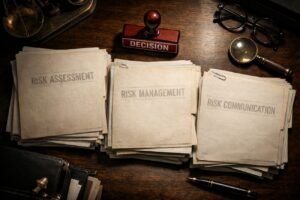
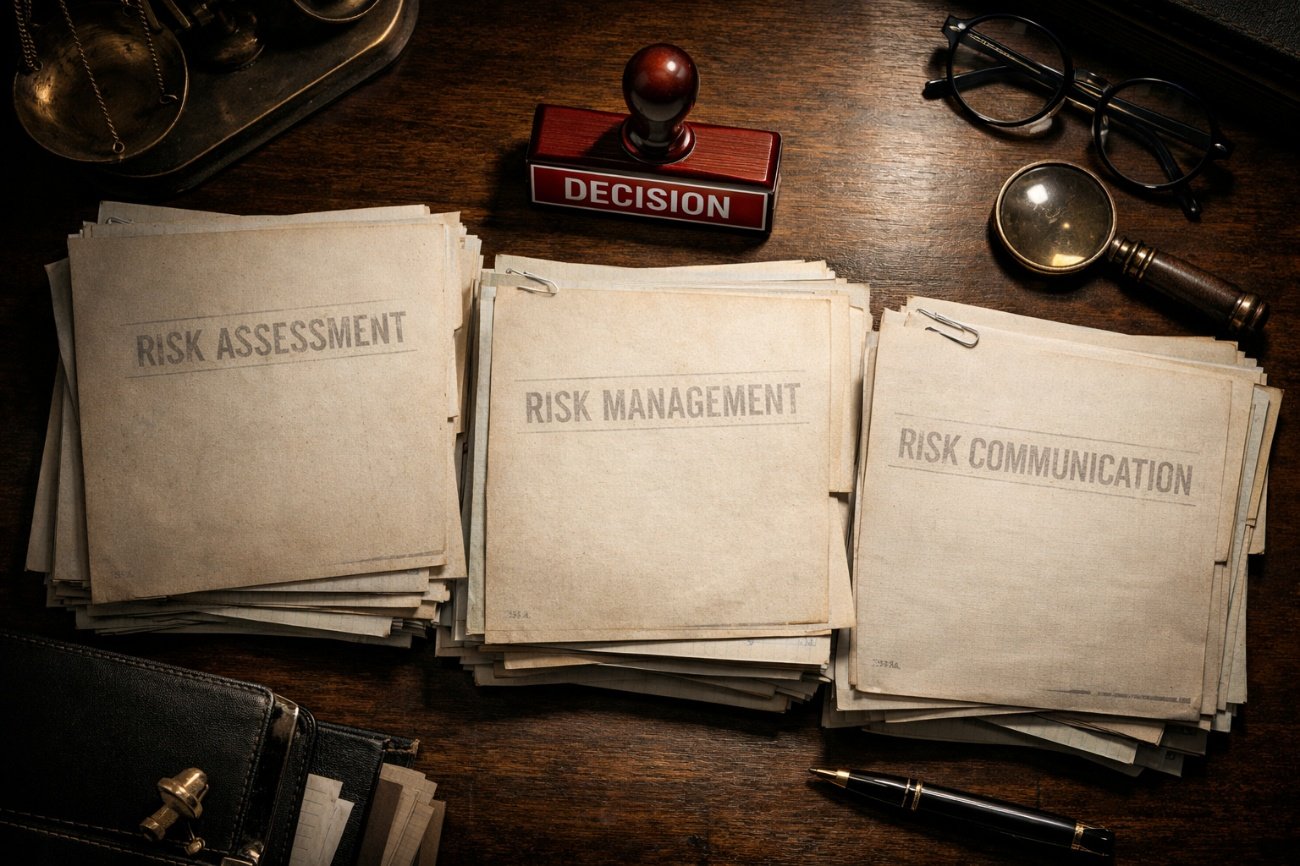
Controls and Management Systems: HACCP vs VACCP vs TACCP
Food fraud is typically managed using VACCP (Vulnerability Assessment Critical Control Point).
- HACCP: Unintentional hazards
- VACCP: Economically motivated deception
- TACCP / Food Defense: Intentional harm
Food Fraud Prevention: What Works
Effective programs use layered controls.
1) Supplier Approval and Verification
- Risk-based qualification
- Audits and performance monitoring
- Verification of specifications and certificates
2) Traceability and Transparency
Implement systems capable of rapid investigation and targeted recalls.
3) Authenticity-Focused Specifications
Include measurable identity markers, origin indicators, and compositional limits.
4) Risk-Based Testing
Testing is essential for high-risk commodities (spices, oils, honey, seafood, premium claims).
Guidance from the United States Pharmacopeia supports data-driven mitigation strategies and incident intelligence.
5) Training and Receiving Controls
Staff should recognize red flags such as:
- Suspicious pricing
- Inconsistent labeling
- Altered documentation
- Broken chain of custody
- Unexpected sensory changes
Myth-Busting
Myth: Food fraud is just labeling fraud
Reality: It can introduce toxic substances and allergens
Myth: HACCP alone is sufficient
Reality: HACCP does not address intentional deception
Myth: Consumers can detect fake products
Reality: Many frauds are impossible to detect without testing
Audit-Ready Food Fraud Prevention Checklist (VACCP-Aligned)
- Define scope: ingredients, packaging, claims
- Identify vulnerabilities across the supply chain
- Prioritize high-risk commodities
- Strengthen supplier qualification and monitoring
- Upgrade authenticity specifications
- Implement targeted testing programs
- Enforce receiving inspections and documentation controls
- Train cross-functional teams
- Establish incident response procedures
- Review annually and after disruptions
Food Fraud vs. Food Stamp Fraud
These terms are unrelated.
- Food fraud: Deception in the food supply chain for profit
- Food stamp fraud (SNAP fraud): Misuse of government assistance programs
Frequently Asked Questions (FAQ)
What is food fraud?
Intentional deception of food identity, composition, quality, or origin for economic gain.
Is food fraud the same as EMA?
EMA (Economically Motivated Adulteration) is a closely related regulatory concept.
Why is food fraud hard to detect?
Many schemes are designed to evade sensory detection and require specialized testing.
What is VACCP?
A structured approach to identifying and controlling vulnerabilities to economically motivated fraud.
Is food fraud always a safety hazard?
Not always, but it can become one depending on the adulterant and exposure.
How do I report suspected food fraud in the U.S.?
Follow your organization’s incident procedures and contact appropriate regulatory authorities with documented evidence.
Video Companion
Want the cinematic investigation version of this topic? Watch these documentaries exploring real global cases and how fraud moves through supply chains:
This article translates those lessons into practical, audit-ready controls.