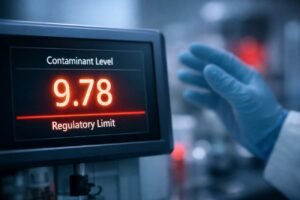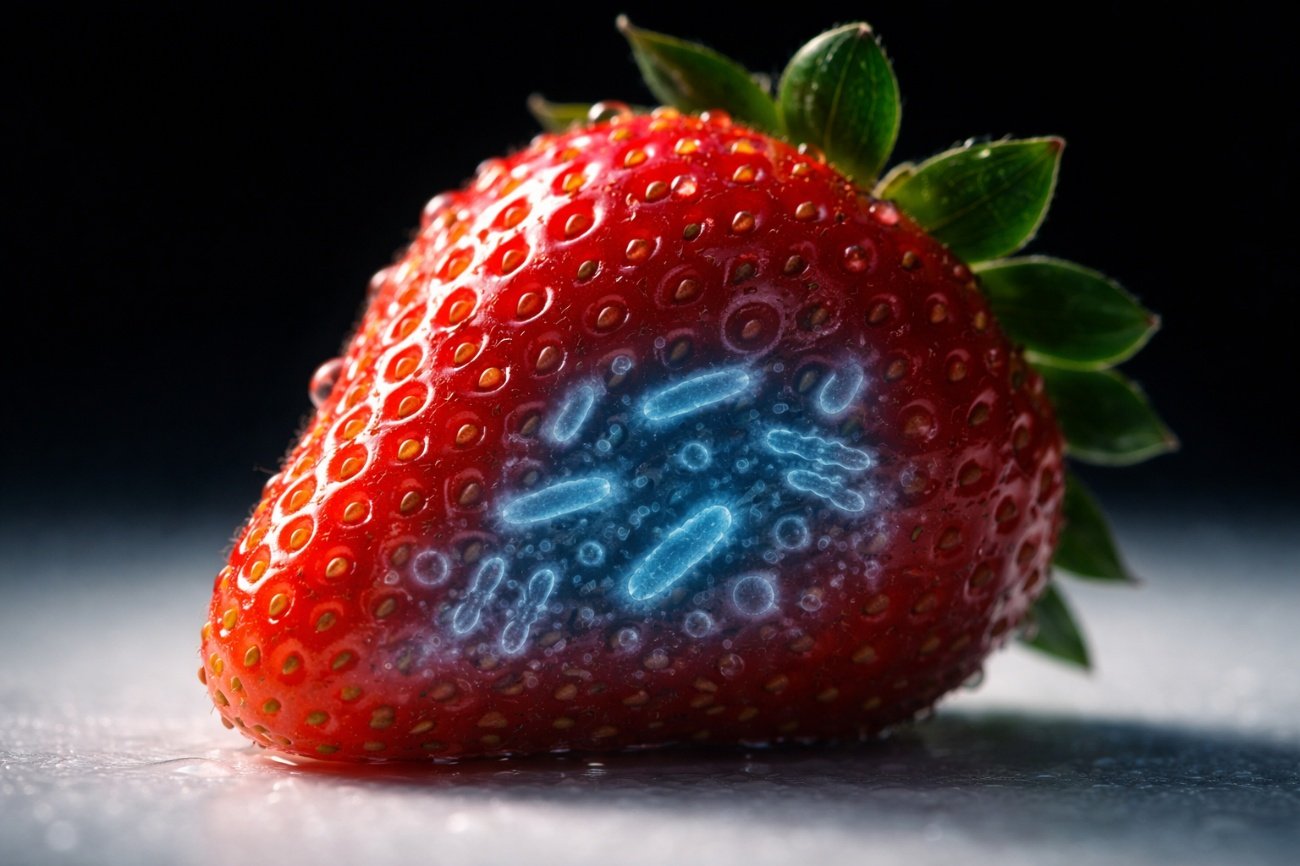
PFAS (per- and polyfluoroalkyl substances) are a large group of persistent man-made chemicals often called “forever chemicals.” They can appear in drinking water, food, and the environment. However, detection alone does not equal danger — the real issue is exposure: how much, how often, and for how long.
Key Takeaways
- PFAS is not one chemical but thousands
- PFOA and PFOS are the most studied “legacy” PFAS
- Drinking water and food are the main exposure routes
- Standards have tightened dramatically in recent years
- Immune effects are among the strongest health signals
- Effective removal methods exist (GAC, ion exchange, RO)
- Boiling water does not remove PFAS
- “PFAS-free” does not guarantee zero risk
Audience: QA teams, regulators, auditors, procurement, lab/QC, informed consumers
Disclaimer: Informational only; not legal or medical advice
What Is PFAS? Definitions That Prevent Misinformation
PFAS Definition
PFAS stands for per- and polyfluoroalkyl substances, a class of synthetic chemicals valued for resistance to heat, grease, stains, and water — properties that also make them highly persistent in the environment.
“Forever Chemicals”: Accurate but Misleading
The nickname refers to environmental persistence, not permanent presence in the human body. Some PFAS remain for years, but levels can decline when exposure decreases.
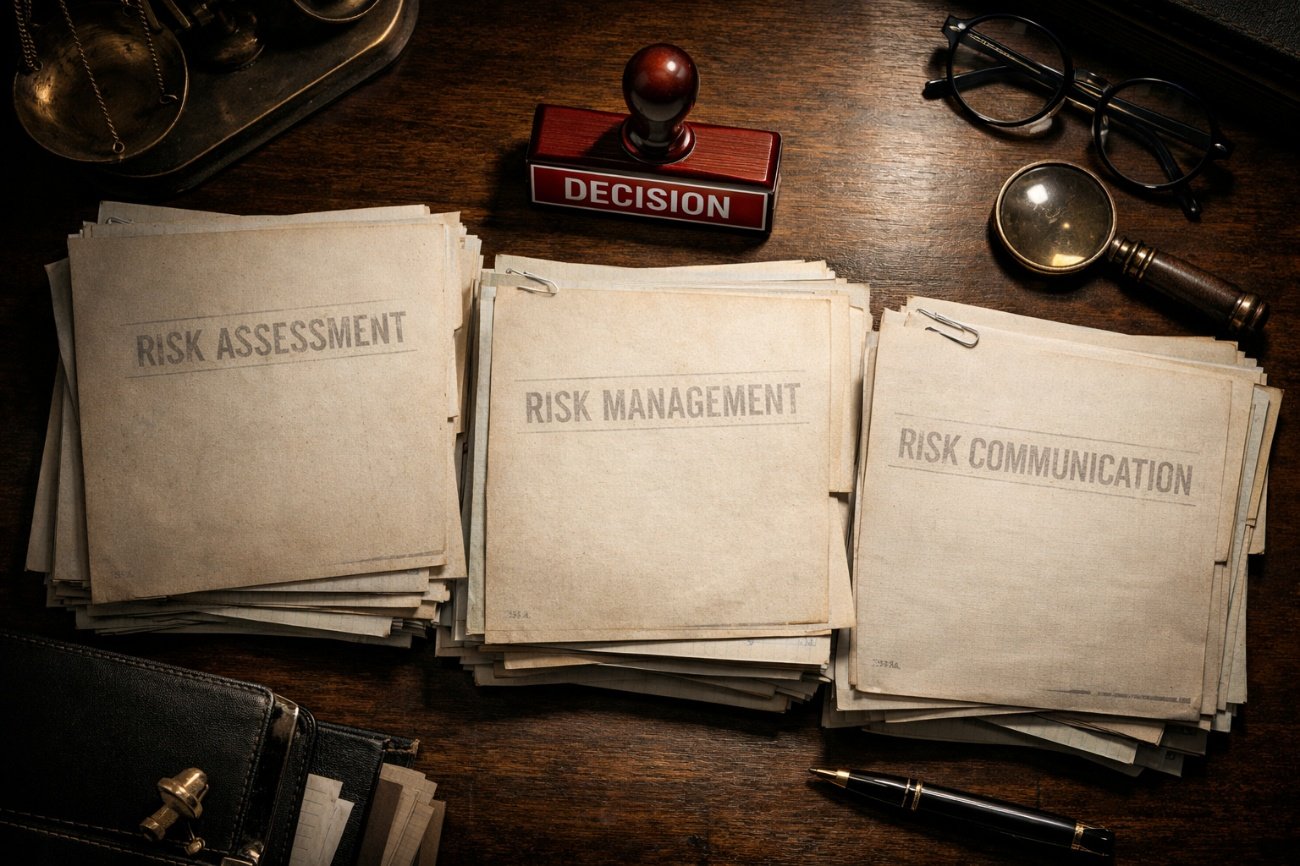
Hazard vs. Risk
- Hazard: Ability to cause harm
- Risk: Likelihood of harm at real exposure levels
Most public confusion arises from treating detection as proof of danger.
PFAS Chemicals and Legacy Compounds (PFOA, PFOS)
PFAS includes thousands of compounds with very different properties.
Why PFOA Matters
PFOA and PFOS are the most studied legacy PFAS and drive much of current regulation due to persistence and evidence of health effects.
PFAS Exposure: How It Gets Into People
Main Routes
For most populations:
- Drinking water
- Food
- Dust and consumer products (usually smaller contribution)
In contamination hotspots, water can dominate total exposure.
PFAS in Drinking Water
Water is a critical pathway because it is consumed daily.
Search terms like “PFAS in water” often trigger fear, but proper interpretation requires context:
- Was PFAS detected?
- How does the level compare to standards?
- What is your consumption pattern?
- Is mitigation needed?
Detection alone does not equal unsafe water.
EPA PFAS Standards: What to Track
The Environmental Protection Agency has progressively tightened guidance:
- 2016 advisory: 70 ppt (PFOA + PFOS combined)
- 2022 interim advisories: near zero
- 2023 proposed enforceable limits: about 4 ppt for each (plus hazard index for others)
Limits are extremely low because regulators focus on sensitive outcomes like immune effects.
PFAS Testing: What Results Mean
Water Testing
- Public water: request reports from your provider
- Private wells: testing recommended near airports, military bases, landfills, or wastewater discharge areas
Blood Testing (Use Carefully)
Guidance from the Agency for Toxic Substances and Disease Registry indicates blood tests are mainly useful in suspected high-exposure situations — not for diagnosing disease.
PFAS Filters, Removal, and Treatment
What Works
1) Activated Carbon (GAC)
Effective for many longer-chain PFAS such as PFOA/PFOS. Requires maintenance and replacement.
2) Ion Exchange Resins
Often highly effective, including for some short-chain PFAS.
3) Reverse Osmosis (RO)
Typically provides the highest removal across PFAS types but produces waste brine.
What Does NOT Work
- Boiling water (may slightly concentrate PFAS)
Filter Shopping Tip
Basic pitcher filters are not reliably effective unless specifically tested for PFAS removal.
PFAS Contamination Maps and Hotspots
People search for “PFAS contamination map” because location strongly affects risk.
Common hotspot sources:
- Industrial facilities
- Military bases
- Airports
- Firefighting training sites
- Landfills
Use maps responsibly:
- Prefer government data sources
- A nearby site does not automatically mean contaminated tap water
- Always check actual water test results
PFAS in Food: The Nuanced Reality
Packaging
PFAS were historically used in grease-resistant food packaging.
Important context:
- Not all packaging contained PFAS
- Many jurisdictions have phased out these uses
- Migration into food is typically very low
Seafood
PFAS detections occur more often in seafood, especially from contaminated waters. Agencies still recommend seafood as part of a healthy diet, along with local fish advisories.
Food safety takeaway: Do not eliminate major food groups based on PFAS fears alone.
PFAS Cancer and Health Evidence
Strongest Signal: Immune Effects
Reduced antibody response to vaccines has influenced regulatory limits.
Other Associations (Exposure-Dependent)
Research has examined links to:
- Cholesterol changes
- Thyroid effects
- Developmental outcomes
- Liver enzymes
- Certain cancers
Evidence is strongest in higher-exposure populations.
“PFAS-Free” Claims: What They Really Mean
Usually indicates PFAS was not intentionally added.
It does NOT guarantee:
- Zero PFAS contamination
- Absence of other hazardous chemicals
- Overall product safety
Watch for “regrettable substitution” — replacing PFAS with poorly studied alternatives.
PFAS News Literacy: How to Verify Claims
When encountering PFAS headlines:
- Check the source (government, peer-reviewed, reputable media)
- Distinguish detection from health risk
- Look for actual concentration levels
- Compare to official standards
- Identify affected populations (general vs hotspot)
FAQ
What is PFAS?
A large family of persistent synthetic chemicals used for water, grease, and heat resistance.
What is PFAS in water?
Measured PFAS concentrations in drinking water; concern depends on level and exposure duration.
What are PFAS chemicals?
Thousands of related compounds, with PFOA and PFOS being the most studied legacy types.
What is the best water filter for PFAS?
Reverse osmosis, ion exchange, and properly designed activated carbon systems have the strongest evidence.
Does boiling remove PFAS?
No — boiling does not remove PFAS.
PFAS in food: should I avoid seafood?
Not generally. Follow local advisories for fish from contaminated waters.
What does PFAS-free mean?
PFAS not intentionally added — not a universal safety guarantee.
Video Companion
For a clear mental model of why detection triggers panic, how exposure changes risk, and what “forever chemicals” truly means, watch the companion video: