Food safety is the system of practices and conditions that ensure food will not cause harm when prepared and consumed as intended. This definition applies across the entire food chain — from farm and factory to retail and home kitchen.
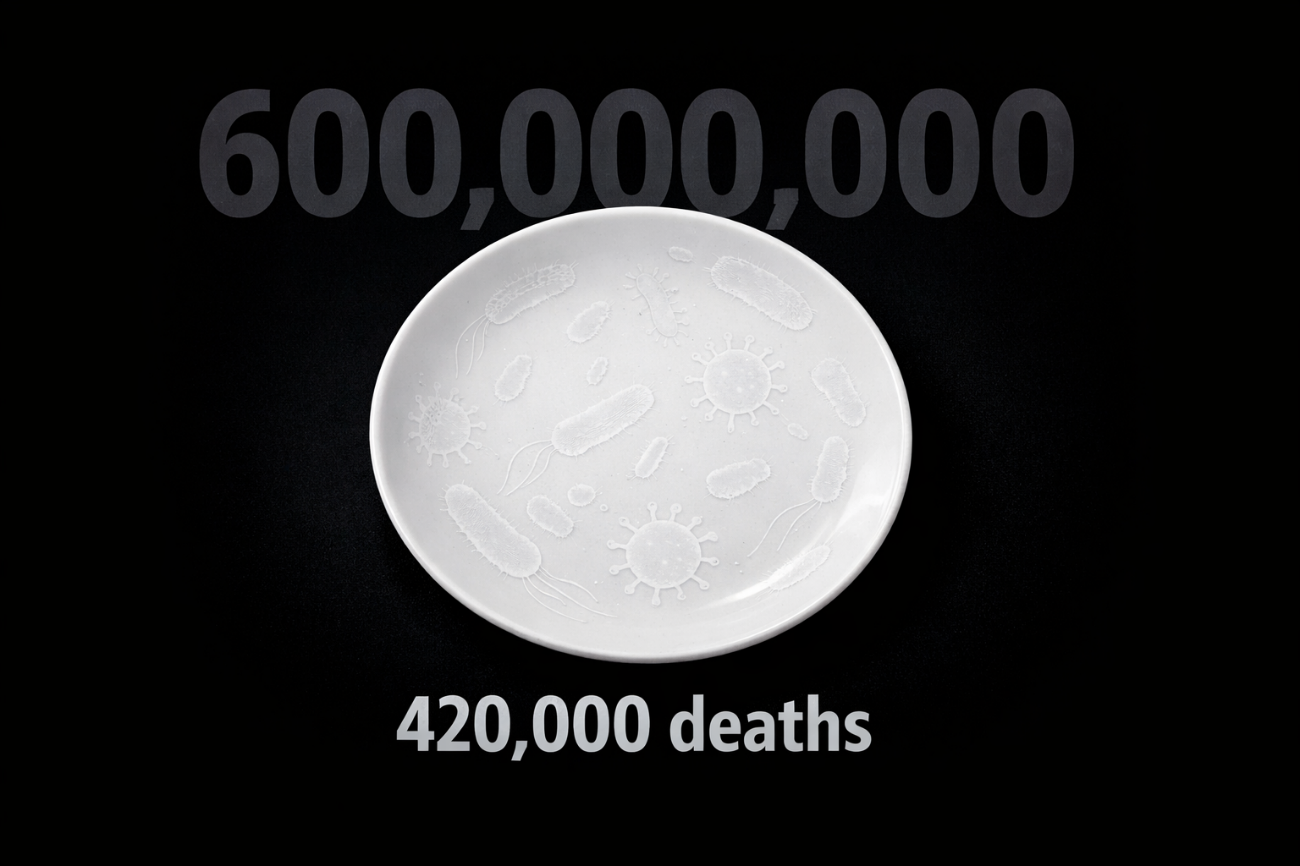
Food safety matters because contaminated food causes illness on a massive scale. The World Health Organization estimates roughly 600 million illnesses and 420,000 deaths annually worldwide from unsafe food.
Key Takeaways
- Food safety is risk management, not just cleanliness
- Hazards include biological, chemical, and physical threats
- Temperature control is one of the most powerful prevention tools
- FAT TOM explains how microbes grow
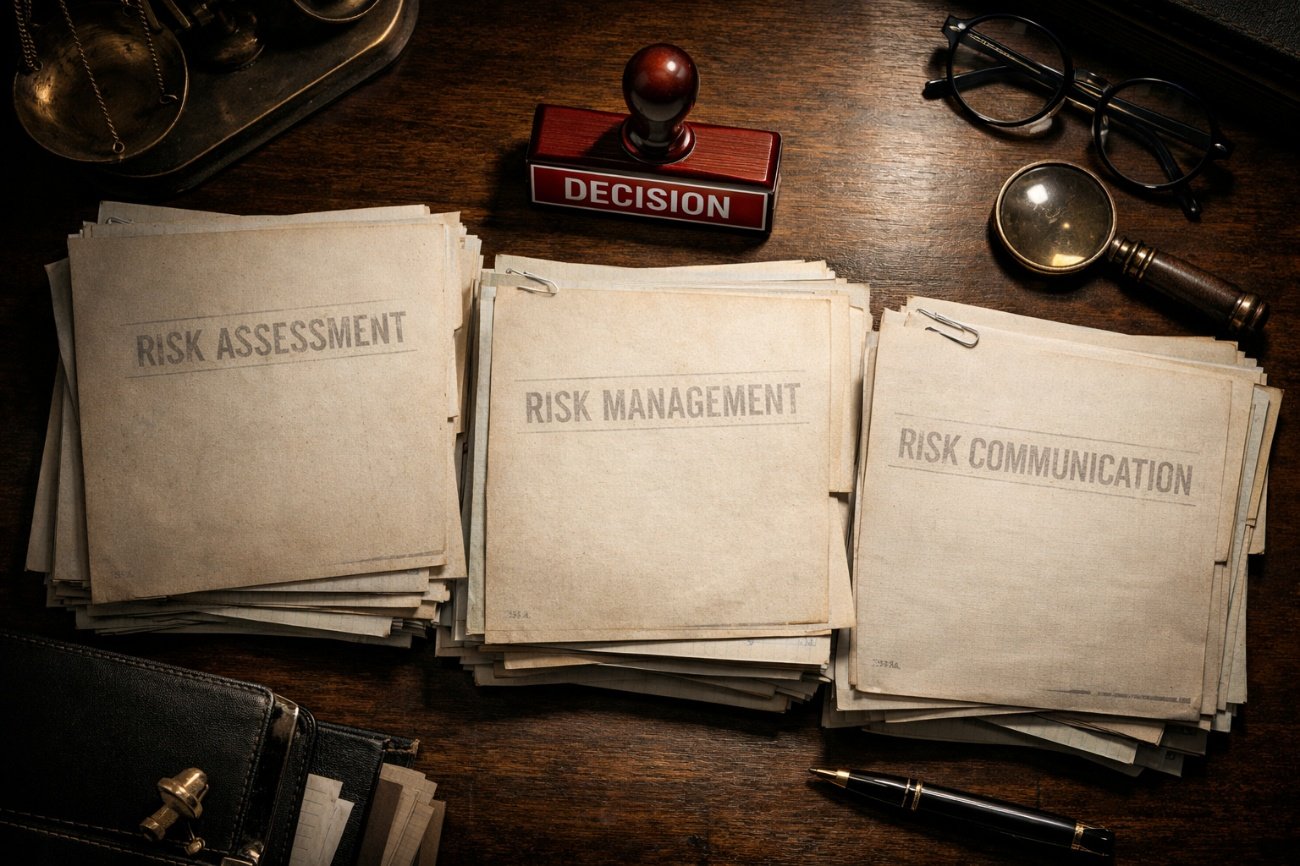
- HACCP is the professional system used to control hazards
- In the U.S., Food and Drug Administration regulates most foods while Centers for Disease Control and Prevention investigates outbreaks
Audience: QA teams, auditors, managers, trainers, food handlers
Disclaimer: Informational only; not legal or medical advice
Food Safety Explained (Professional Definition)
When people ask “what is food safety?” they often think of handwashing. In professional terms, it is much broader:
Food safety is the scientific discipline and operational system that prevents contamination and controls hazards so food does not harm consumers when used as intended.
It covers:
- Agriculture
- Processing
- Packaging
- Distribution
- Storage
- Preparation
- Service
Most safety controls operate invisibly — sanitation systems, validated kill steps, cold chains, supplier verification, and surveillance.
Food Safety Hazards: What Can Go Wrong?
1) Biological Hazards (Microbes)
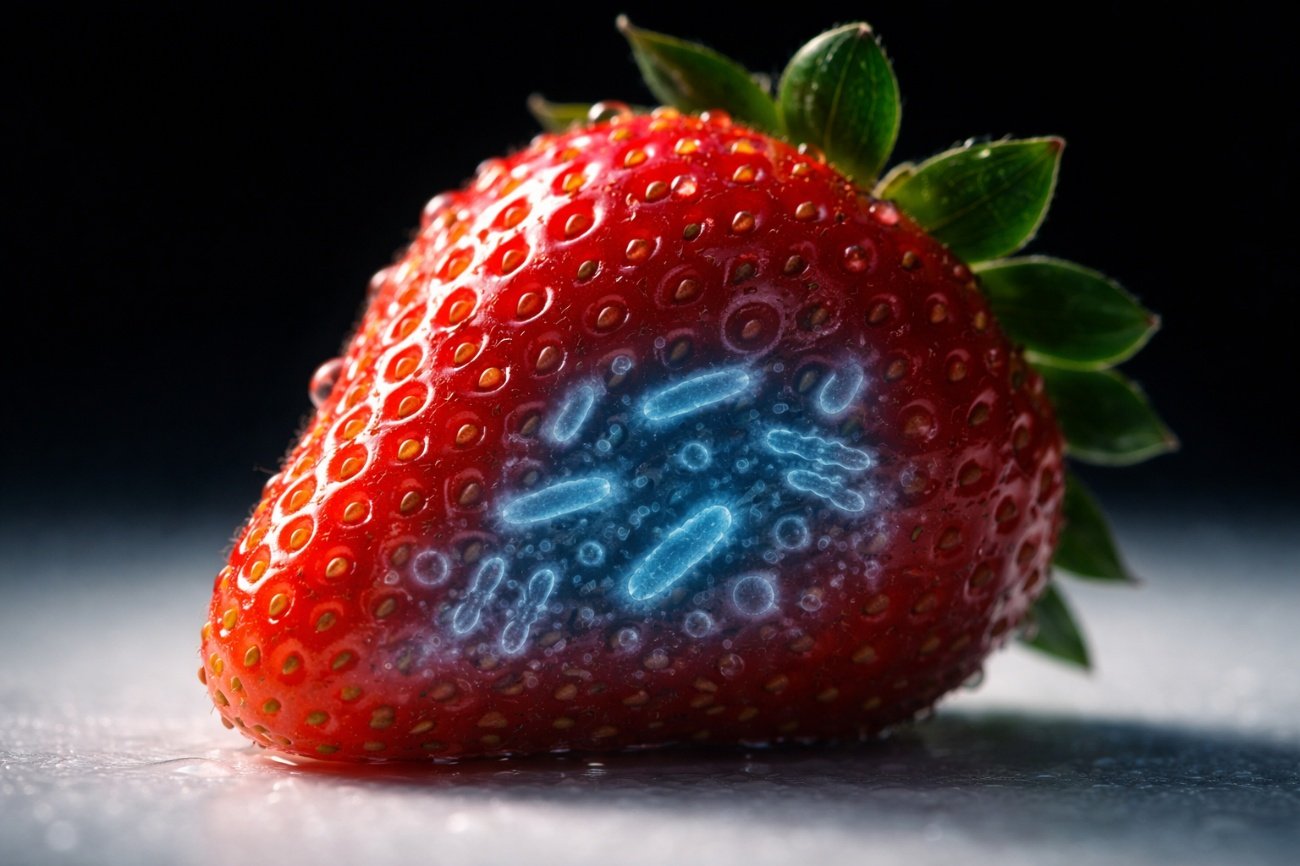
These cause most foodborne illness.
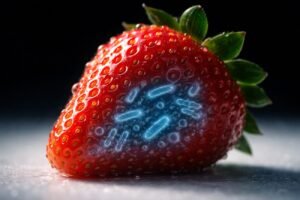
Examples include bacteria, viruses, and parasites such as Salmonella, Listeria, norovirus, and hepatitis A.
Why they dominate risk: microbes multiply under favorable conditions, especially warm temperatures.
2) Chemical Hazards
These include:
- Natural toxins (e.g., mycotoxins)
- Environmental contaminants (e.g., heavy metals)
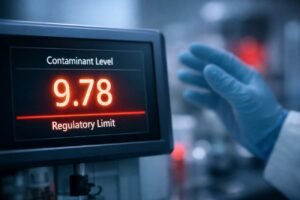
- Residues exceeding limits
- Intentional adulterants
3) Physical Hazards
Foreign objects that can injure consumers:
- Glass fragments
- Metal pieces
- Stones
- Hard plastics
Food Safety Guidelines and Rules
The most widely applicable global framework comes from the World Health Organization:
The Five Keys to Safer Food
- Keep clean
- Separate raw and cooked
- Cook thoroughly
- Keep food at safe temperatures
- Use safe water and raw materials
Temperature control is the “hinge point” because microbes can multiply rapidly if conditions allow.
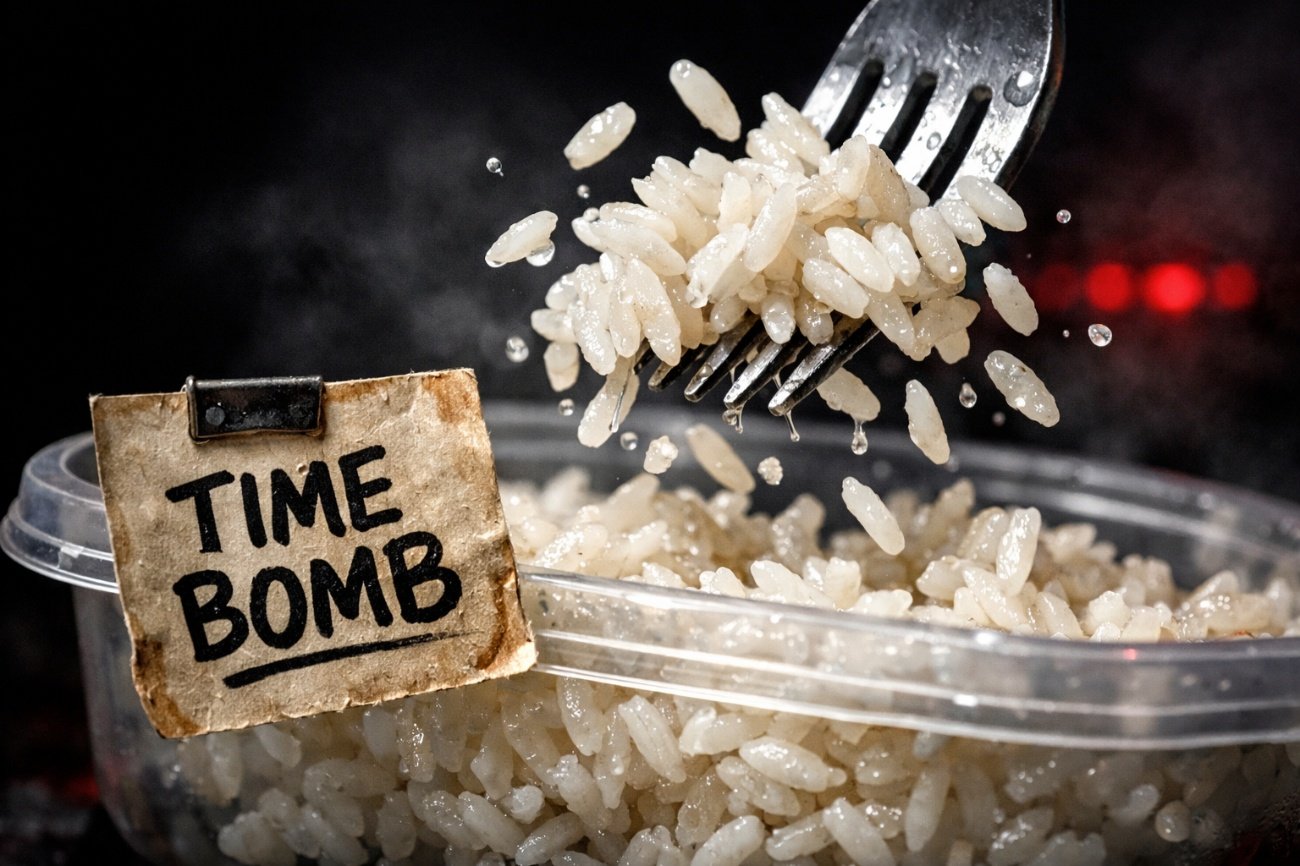
Food Safety Temperatures: The Danger Zone
The temperature danger zone is the range where bacteria grow fastest.
Cold foods: ≤ 5 °C / 41 °F
Hot foods: ≥ 60 °C / 140 °F
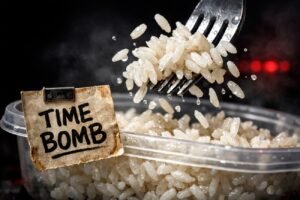
The risk comes from time spent between these limits — food does not need to look spoiled to be unsafe.
Operationally, time-temperature control is often a prerequisite program and sometimes a formal HACCP control.
FAT TOM: Why Bacteria Grow
FAT TOM is a training model describing conditions that support microbial growth:
- Food
- Acidity
- Time
- Temperature
- Oxygen
- Moisture
In practice, failures most often involve the “T’s” — time and temperature — especially during cooling, holding, or leftovers handling.
What Is HACCP in Food Safety?
HACCP (Hazard Analysis and Critical Control Points) is a preventive system used worldwide.
It involves:
- Identifying hazards
- Determining critical control points
- Setting measurable limits
- Monitoring controls
- Taking corrective action
- Verifying effectiveness
- Keeping records
In simple terms, HACCP turns “be careful” into measurable, auditable controls.
FDA, CDC, and State Food Safety (U.S. Overview)
- Food and Drug Administration: Regulates most foods and preventive controls
- Centers for Disease Control and Prevention: Tracks outbreaks and illness patterns
- State and local agencies: Enforce restaurant inspections and food codes
Globally, the Codex Alimentarius Commission provides international standards, while INFOSAN coordinates cross-border alerts.
Food Safety Training and Certification
Food Safety Training
Builds practical competence in:
- Temperature control
- Hygiene
- Cross-contamination prevention
- Allergen awareness
- Illness reporting
Food Safety Courses
Structured programs used by organizations or regulators.
Certification
Formal proof of training or competency. Requirements vary by jurisdiction and role.
Certification only improves safety if daily practices follow what was taught.
Food Safety Tips That Prevent Illness
High-impact actions for food handlers:
- Wash hands and sanitize surfaces
- Separate raw and ready-to-eat foods
- Cook thoroughly; use a thermometer when needed
- Control cooling and holding times
- Use safe water and ingredients
Food Safety News: Why Professionals Monitor It
Food safety alerts provide operational intelligence, including:
- Outbreak reports revealing failure points
- Recalls due to pathogens, allergens, or foreign objects
- Emerging hazards and seasonal risks
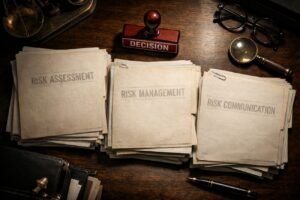
Organizations use this information to update risk assessments, supplier controls, and training priorities.
Keyword-to-Action Mapping
| Search Intent | Practical Meaning |
| What is food safety | Preventing harm from food through systems and practices |
| Danger zone | Keep cold ≤5 °C, hot ≥60 °C |
| What is HACCP | System to control hazards at critical points |
| Training/certification | Build competence and verify completion |
| FDA vs CDC | Regulation vs surveillance |
| FAT TOM | Conditions that enable microbial growth |
FAQ
What is food safety?
Food safety ensures food will not cause harm when prepared and eaten as intended, using controls across the entire supply chain.
What is the temperature danger zone?
The range where bacteria multiply rapidly — typically between 5 °C (41 °F) and 60 °C (140 °F).
What is HACCP in food safety?
A preventive system that identifies hazards and controls them at critical points using measurable limits and monitoring.
What is FAT TOM?
A framework describing conditions required for bacterial growth: Food, Acidity, Time, Temperature, Oxygen, Moisture.
Who handles food safety in the U.S.?
The Food and Drug Administration regulates most foods, while the Centers for Disease Control and Prevention monitors outbreaks and illness trends.
Video Companion
Watch the companion video:
https://www.youtube.com/@Foodnotfooled-2u
It explains the food safety definition, hazard categories, why temperature control matters, FAT TOM, and how HACCP forms the protective system between food and illness.